When it comes to designing indoor spaces that feel both functional and comfortable, ceilings play a far greater role than many people realize. Beyond serving as a protective covering for the upper interior of a room, ceilings influence the way we perceive light, space, and—perhaps most importantly—sound. Among the various ceiling solutions available today, the mineral fiber ceiling board has gained strong recognition for its ability to balance design, acoustics, and functionality. Paired with options like the ceiling design mineral fiber sheet, these boards have become a go-to choice for architects, designers, and building owners alike.
1. Understanding Mineral Fiber Ceiling Boards
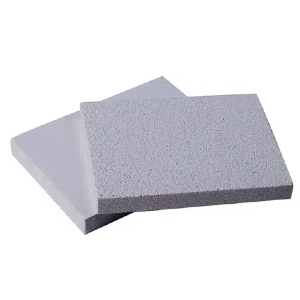
A mineral fiber ceiling board is a type of suspended ceiling material made primarily from natural and recycled raw materials such as mineral wool, perlite, clay, starch, and cellulose. These boards are lightweight, environmentally friendly, and specifically engineered for acoustic control. Because of their porous surface and fibrous composition, they absorb sound effectively, reducing noise levels and creating a calmer environment.
The ceiling design mineral fiber sheet variant extends the utility of standard mineral fiber boards by offering decorative finishes and patterns, making them suitable not only for noise reduction but also for enhancing the visual appeal of interiors.
2. Acoustic Comfort: Why It Matters
Sound plays a critical role in shaping how we experience a space. In workplaces, excessive noise can reduce productivity and concentration. In schools, poor acoustics hinder communication between teachers and students. In hospitals, noise can even impact patient recovery rates. Similarly, in residential spaces, unwanted echoes or outside noise disrupt relaxation and peace.
Acoustic comfort refers to the ability of a space to manage and control sound, ensuring it supports its intended use. A mineral fiber ceiling board is specifically designed to create this comfort by absorbing sound waves and reducing reverberation.
3. How Mineral Fiber Ceiling Boards Improve Acoustics
Sound Absorption
One of the most notable acoustic benefits of mineral fiber ceiling boards lies in their ability to absorb sound. Thanks to their porous and fibrous structure, these boards trap sound waves instead of reflecting them back into the room. This process helps dissipate sound energy and minimizes echoes or prolonged reverberation, which can otherwise make conversations or presentations difficult to follow. In environments such as classrooms, open-plan offices, or healthcare facilities, this sound absorption leads to clearer communication and a calmer, less distracting atmosphere.
Noise Reduction Coefficient (NRC)
The performance of mineral fiber ceiling boards is often measured by their Noise Reduction Coefficient (NRC). High-quality ceiling boards typically achieve an NRC rating between 0.50 and 0.75 or higher, which means they can absorb 50%–75% of the sound that strikes their surface. A higher NRC rating indicates better absorption and fewer issues with unwanted background noise. For example, in an office environment, a ceiling with a high NRC helps prevent sound from bouncing between workstations, thus creating a more private and productive workspace. Similarly, in educational settings, an optimal NRC ensures that students and teachers can hear each other without strain, enhancing overall learning outcomes.
Controlling Sound Transmission
Beyond simply absorbing sound within a room, mineral fiber ceiling boards also play a role in controlling sound transmission between spaces. When paired with proper ceiling grid systems and additional insulation, they act as an effective barrier against airborne noise traveling from one room to another. This dual benefit—containing sound within a space while preventing external noise from intruding—makes them ideal for applications such as hospitals, auditoriums, libraries, and corporate meeting rooms. In these settings, the ability to maintain both privacy and quietness is critical to ensuring comfort and functionality.
4. Aesthetic Versatility: Ceiling Design Mineral Fiber Sheets
While functionality is essential, design is equally important in modern architecture. The ceiling design mineral fiber sheet combines acoustic performance with visual appeal. These sheets can be produced in a wide range of finishes, textures, and colors, allowing designers to achieve unique looks without compromising performance.
From sleek, modern minimalism to more ornate patterns, mineral fiber ceiling sheets complement different architectural themes. This versatility ensures that sound control does not come at the expense of style.
5. Energy Efficiency and Indoor Climate Control
Another often overlooked benefit of mineral fiber ceiling boards is their contribution to energy efficiency. Their light color and reflective surfaces improve lighting efficiency by bouncing light across a room, reducing the need for artificial lighting. Additionally, they help regulate indoor temperature by adding a layer of insulation, which reduces energy costs for heating and cooling.
6. Applications Across Different Environments
In open-plan workspaces, noise can quickly become overwhelming. Mineral fiber ceiling boards help reduce distractions and foster focus.
Clear communication is essential in classrooms and lecture halls. Acoustic ceiling solutions enhance speech intelligibility and support effective learning.
Patients recover faster in quiet, peaceful environments. Mineral fiber ceilings reduce background noise and create a calming atmosphere.
Hotels, restaurants, and shops benefit from the dual advantages of noise control and stylish ceiling designs that enhance guest experiences.
In homes, mineral fiber boards ensure quieter living environments, especially in apartments or shared housing where noise can easily travel between rooms.
7. Sustainability and Environmental Benefits
Mineral fiber ceiling boards are often made from recycled materials and are themselves recyclable at the end of their life cycle. This makes them an eco-friendly choice compared to other ceiling materials. Their long lifespan, low maintenance requirements, and contribution to energy efficiency further reduce their environmental footprint.
8. Installation and Maintenance
One of the reasons mineral fiber ceiling boards are so popular is their ease of installation. They fit seamlessly into suspended ceiling grid systems and can be replaced individually if damaged. Maintenance is minimal, usually limited to occasional cleaning to maintain their appearance and performance.
9. Balancing Cost and Value
While mineral fiber ceiling boards are not always the cheapest option, they offer excellent long-term value. Their combination of acoustic control, energy savings, durability, and design versatility makes them a cost-effective investment for both commercial and residential spaces.
10. The Future of Ceiling Design with Mineral Fiber Boards
As the demand for healthier, more sustainable, and more comfortable indoor spaces grows, mineral fiber ceiling boards are expected to play an even greater role in architecture. With ongoing innovations in materials and design, these boards will continue to push the boundaries of what ceilings can achieve—both acoustically and aesthetically.
Conclusion
The ceiling is more than just a finishing touch to a room—it directly influences sound, comfort, and design. By choosing mineral fiber ceiling boards or decorative ceiling design mineral fiber sheets, architects and building owners can create environments that are quieter, more energy-efficient, and visually appealing.
If you are considering ways to enhance your interior spaces with better acoustics and design, mineral fiber ceiling boards are an excellent solution. To explore high-quality options and learn more about how these boards can transform your projects, you may want to reach out to Guangzhou Panda Commercial Development Co., Ltd. Their expertise and product range make them a reliable partner in ceiling design and acoustic solutions.




