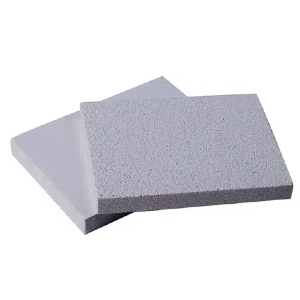
When it comes to interior construction, ceiling design plays a far more critical role than many people realize. A ceiling does not merely cover the upper structure of a room; it shapes the entire atmosphere, impacts acoustics, and influences thermal comfort. In recent years, the use of mineral fiber ceiling board has become increasingly popular as architects, builders, and designers seek materials that combine performance, aesthetics, and sustainability.
As a versatile solution, mineral fiber ceiling boards are widely used in the creation of acoustic ceiling panels. These panels not only enhance the visual appeal of interiors but also improve sound absorption, insulation, and fire safety. With the added innovation of the ceiling design mineral fiber sheet, professionals now have a reliable and flexible material that meets the growing demands of modern architecture.
1. What Is Mineral Fiber Ceiling Board?
Mineral fiber ceiling boards are manufactured from a blend of natural and synthetic materials, including mineral wool, perlite, clay, and starch. These components are compressed and formed into sheets, creating lightweight yet durable panels that are ideal for interior ceiling applications.
In their finished form, mineral fiber ceiling boards can be cut, shaped, and finished with various textures and coatings. This makes them especially suitable for creating acoustic ceiling panels that balance function and design. Unlike plain plaster or gypsum, mineral fiber boards are engineered with sound absorption and fire resistance in mind.
The ceiling design mineral fiber sheet is essentially a variant of this material, optimized for flexible design use. It allows for customized patterns, shapes, and surface finishes that go beyond the traditional plain white ceiling, providing architects with opportunities to integrate both aesthetics and acoustics seamlessly.
One of the most significant advantages of mineral fiber ceiling boards is their ability to improve acoustic performance. In today’s world, where open offices, educational institutions, and public spaces often struggle with noise control, the demand for acoustic ceiling panels is higher than ever.
Sound Absorption: Mineral fiber panels are porous in structure, which allows them to absorb sound waves and reduce reverberation. This creates a quieter and more comfortable environment, particularly in spaces like classrooms, hospitals, and offices.
Noise Reduction Coefficient (NRC): Many mineral fiber ceiling boards have high NRC ratings, meaning they perform well in dampening background noise. This ensures better concentration, clearer communication, and reduced stress in noisy environments.
Balanced Acoustics: Unlike bare concrete or gypsum, mineral fiber boards balance sound absorption with sound reflection, avoiding the “dead room” effect while still improving speech clarity.
3. Fire Resistance and Safety
Safety is a core consideration in construction materials, and mineral fiber ceiling boards excel in this aspect. Due to their mineral composition, these boards are naturally non-combustible.
High Fire Ratings: Mineral fiber ceiling boards typically achieve Class A fire ratings, making them an excellent choice for spaces that must adhere to strict fire safety codes.
Smoke and Flame Resistance: In the event of a fire, mineral fiber boards resist flame spread and minimize smoke production, giving occupants more time to evacuate safely.
Peace of Mind: For commercial and residential builders alike, incorporating fire-resistant materials like mineral fiber boards adds significant value and ensures compliance with modern safety standards.
4. Thermal Insulation and Energy Efficiency
Energy efficiency is another reason why ceiling design mineral fiber sheets are in high demand. Beyond sound absorption, mineral fiber ceiling boards contribute to temperature regulation inside a building.
Thermal Control: Their dense yet porous structure provides natural insulation, keeping indoor spaces cooler in summer and warmer in winter.
Reduced HVAC Load: By stabilizing room temperatures, mineral fiber panels reduce reliance on heating, ventilation, and air conditioning systems, leading to energy savings.
Sustainability Factor: Lower energy use directly translates to reduced carbon emissions, aligning mineral fiber ceiling boards with global sustainability goals.
5. Design Versatility and Aesthetic Appeal
Ceilings are no longer seen as purely functional; they are now an integral part of interior design. Mineral fiber ceiling boards offer remarkable design flexibility:
Patterns: Available in smooth, perforated, and embossed finishes, they can complement modern, minimalist interiors or traditional designs.
Color Options: While white remains popular for its reflective and clean qualities, mineral fiber ceiling boards can also be painted or coated in custom shades.
Customization with Mineral Fiber Sheets: The ceiling design mineral fiber sheet: allows designers to create unique layouts, including geometric patterns, modular grids, and even creative 3D effects.
Integration with Lighting and HVAC: Mineral fiber ceilings are easy to integrate with recessed lighting, air diffusers, and sprinklers without compromising performance.
This design adaptability ensures that acoustic ceiling panels are not only functional but also aesthetically pleasing.
6. Cost-Effectiveness and Long-Term Value
From a financial perspective, mineral fiber ceiling boards are a cost-effective solution:
Affordable Installation: Lightweight and easy to handle, they require less labor and installation time compared to heavier ceiling materials.
Durability: Properly maintained mineral fiber boards last for many years without sagging or warping.
Low Maintenance: They are resistant to stains, scratches, and wear, and many come with washable finishes for easy cleaning.
Return on Investment: Improved acoustics, energy savings, and fire safety add long-term value, especially in commercial and institutional settings.
7. Environmental Benefits
In an era where green building practices are a priority, mineral fiber ceiling boards stand out as an eco-friendly choice:
Recycled Content: Many boards are manufactured using recycled materials, reducing reliance on virgin resources.
Indoor Air Quality: They are often produced with low-VOC (volatile organic compound) emissions, contributing to healthier indoor environments.
LEED Certification: Using mineral fiber ceiling boards can help projects earn credits toward green building certifications like LEED or BREEAM.
End-of-Life Recycling: Unlike some ceiling materials that end up in landfills, mineral fiber boards can often be recycled or repurposed.
8. Applications Across Industries
The advantages of mineral fiber ceiling boards make them suitable for a wide range of applications:
Commercial Offices: Enhancing acoustics in open-plan layouts while maintaining modern aesthetics.
Educational Institutions: Creating quiet classrooms and lecture halls conducive to learning.
Healthcare Facilities: Meeting hygiene, fire safety, and noise reduction needs in hospitals and clinics.
Retail Spaces: Providing both functionality and design appeal in shopping centers and stores.
Hospitality Industry: Ensuring acoustic comfort in hotels, restaurants, and conference halls.
9. Future Trends in Ceiling Design
Looking ahead, mineral fiber ceiling boards will continue to evolve in response to architectural and environmental trends:
Smart Integration: Future acoustic ceiling panels may incorporate smart lighting or IoT-enabled sensors for building management.
Sustainable Innovation: Manufacturers are likely to increase the use of renewable resources and recyclable content.
Hybrid Materials: Combining mineral fiber boards with other materials, like metal or wood finishes, for more dynamic design options.
Health-Centered Spaces: As indoor wellness becomes a priority, demand for acoustic, fire-safe, and low-VOC materials like mineral fiber ceiling boards will grow.
Conclusion
The advantages of mineral fiber ceiling board in modern acoustic ceiling panels are undeniable. From superior sound absorption and fire resistance to energy efficiency and versatile design, these materials meet the needs of both function and style in today’s built environments. The innovation of the ceiling design mineral fiber sheet further expands creative possibilities, making mineral fiber boards a top choice for architects, builders, and designers around the world.
For those seeking reliable, high-quality mineral fiber ceiling solutions, Guangzhou Panda Commercial Development Co., Ltd.offers a wide range of products that balance performance, sustainability, and design flexibility. Whether you are working on a commercial, institutional, or residential project, their expertise can help you select the right ceiling system for your needs. To learn more—or to explore their offerings—consider reaching out toGuangzhou Panda Commercial Development Co., Ltd. for professional guidance and solutions tailored to modern building challenges.
Guangzhou Panda Commercial Development Co.,Ltd. is a company based in Guangzhou, China. We have more than 20 years experience in the production and export of wall and ceiling system products.
Address: Unit 1310, 13/F, South Tower of Xijiao Xieli Business Centre,No. 159, Middle of Qiaozhong Road, Liwan District, Guangzhou City, Guangdong Province, China
Subscribe To Our Newsletter
Promotions, new products and sales. Directly to your inbox.