When a project team selects a ceiling system, the decision is rarely only about appearance. A ceiling affects how a space sounds, how it handles fire-related requirements, how it performs in humid environments, and how easy it is to access services above the ceiling line. That is why Rockwool Ceiling solutions—especially rockwool ceiling tiles used in suspended grid systems—remain a practical choice for offices, schools, healthcare areas, corridors, retail environments, and many commercial interiors. They provide a strong balance between functional performance and clean design, while supporting the everyday realities of building operation.
From our perspective at Guangzhou Panda Commercial Development Co., Ltd., rockwool ceiling tiles are often chosen because they bring multiple performance benefits into one standardized ceiling format. Project owners like them for long-term stability. Contractors like them because suspended ceilings are efficient to install and easy to maintain. Facility managers appreciate that tiles can be removed and replaced individually without major disruption. In this guide, we will explain what rockwool ceiling tiles are, what performance benefits they offer, and how to install a suspended ceiling system in a practical, step-by-step way.
What Are Rockwool Ceiling Tiles
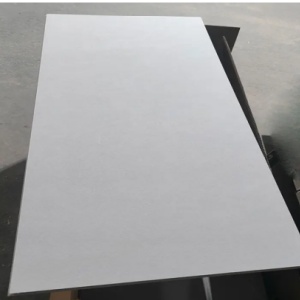
Rockwool ceiling tiles are ceiling panels made with mineral wool (often called rock wool) as the core material. They are typically used in suspended ceiling systems where tiles sit on a metal grid (T-bar) framework.
In commercial construction, rockwool ceiling tiles are used because the core material provides functional performance that many buildings require, while the tile format supports a clean and consistent ceiling appearance.
A typical rockwool ceiling tile system includes:
rockwool ceiling tiles
T-bar suspended grid
main tees and cross tees
wall angles
hangers and suspension wires
accessories such as trim, clips, and cut tiles
Why Rockwool Ceiling Tiles Are Widely Used
A Rockwool Ceiling tile system is popular because it supports multiple performance needs in one solution.
A Sound comfort support
In many commercial spaces, controlling room acoustics is essential. Rockwool ceiling tiles are often chosen to help reduce echo and improve the comfort of speech-heavy environments such as offices and classrooms.
B Fire-related performance support
Mineral wool materials are widely associated with strong fire-related performance characteristics in building materials, which is why rockwool ceiling products are frequently considered in projects with performance-focused specifications.
C Moisture and humidity stability
In real buildings, humidity changes. Some ceiling systems warp or sag in humid conditions, which affects appearance and long-term usability. Rockwool ceiling tiles are often selected for better dimensional stability in environments where moisture management matters.
D Clean, modular ceiling management
Suspended ceilings allow access to:
cables
lighting
HVAC diffusers
sprinkler systems
sensors and controls
This makes rockwool ceiling tiles practical for buildings that need ongoing service access.
Key Performance Benefits of Rockwool Ceiling Systems
When buyers ask why rockwool ceiling tiles are used, they usually care about the practical benefits.
Main benefits often considered
improved sound comfort in rooms
stable tile structure in daily building environments
performance suitability for many commercial interiors
ease of replacement and maintenance
efficient installation in standardized grid systems
Performance overview table
Performance Area | Why It Matters in Real Buildings | Rockwool Ceiling Tile Benefit |
Acoustic comfort | reduces echo and noise buildup | supports clearer speech environments |
Ceiling stability | prevents sagging and warping | helps long-term appearance |
Safety design | supports project requirements | suitable for performance-focused builds |
Maintenance access | easier repairs above ceiling | modular removable tiles |
Installation efficiency | faster fit-out | standardized grid layout |
This is why rockwool ceiling systems are often treated as a practical commercial solution rather than only a decorative ceiling choice.
Where Rockwool Ceiling Tiles Work Best
Rockwool ceiling tiles are commonly used in:
office spaces
meeting rooms and conference rooms
classrooms and training centers
healthcare reception and corridors
retail stores and showrooms
hotel corridors and public zones
libraries and public service buildings
These spaces share common needs: acoustic comfort, stable ceiling appearance, and manageable maintenance.
How to Install a Suspended Rockwool Ceiling System
A suspended ceiling installation is systematic. The best results come from accurate layout, level control, and clean grid alignment.
Step 1 Measure and plan the ceiling layout
Before installing anything:
measure room dimensions
confirm ceiling height and service requirements
plan tile layout to avoid very narrow edge cuts
mark lighting, vents, sprinklers, and other ceiling components
A good layout ensures the finished ceiling looks balanced and professional.
Step 2 Install perimeter wall angle
Install the wall angle (perimeter trim) around the room at the planned ceiling height. This perimeter line is your reference for level installation.
Practical tips:
confirm level alignment around all walls
secure wall angle properly to the wall substrate
plan corners cleanly for neat finishing
Step 3 Mark hanger points and install suspension wires
Suspension wires or hangers support the main tees.
Common installation logic:
set hanger spacing based on grid system requirements
ensure each hanger point is secure
keep hangers vertical and tensioned
confirm the support structure above is suitable
This step controls long-term ceiling stability.
Step 4 Install main tees
Main tees form the primary grid lines.
Key points:
Step 5 Install cross tees to form the grid
Cross tees connect into the main tees to create the tile modules (often 600×600 or 600×1200 depending on project design).
At this stage, you should:
lock cross tees firmly into place
check squareness (grid should be square, not skewed)
adjust alignment before loading tiles
Step 6 Level and align the full grid
Before placing tiles, confirm:
the grid is level
the grid lines are straight
the module sizes are consistent
the perimeter alignment is clean
If the grid is not correct now, tile installation will not look good later.
Step 7 Install rockwool ceiling tiles
Once the grid is stable, place the tiles into the grid.
Practical tips:
handle tiles carefully to protect edges
install full tiles first, then cut edge tiles
use clean cutting tools to achieve neat edges
check the appearance from multiple viewing angles
Step 8 Cut and fit edge tiles and openings
For lighting fixtures, vents, or access points:
mark tile cut zones accurately
cut clean openings
reinforce as required for heavier fixtures
ensure tiles remain stable in the grid
Common Installation Mistakes to Avoid
Even quality tiles can look poor if installation is rushed. Common mistakes include:
poor leveling of the wall angle line
uneven hanger spacing leading to sagging
skewed grid that creates uneven tile gaps
overly narrow edge tiles that look unbalanced
rough cutting around fixtures
ignoring room movement joints where required
Good suspended ceiling installation is about precision and repeatability.
How to Maintain Rockwool Ceiling Tiles After Installation
One advantage of suspended rockwool ceiling systems is easy maintenance.
Practical maintenance tips
keep spare tiles for future replacement
replace damaged tiles individually instead of reworking large areas
inspect moisture sources if tiles show discoloration
maintain HVAC and humidity control to protect ceiling stability
use safe cleaning methods based on tile surface type
In commercial buildings, this modular replacement advantage is one reason rockwool ceiling tiles are often preferred.
Choosing the Right Rockwool Ceiling Tile for Your Project
Not every project needs the same tile specification. Before selecting, consider:
room type and noise conditions
ceiling height and service access needs
humidity level and environment
desired surface appearance
tile size preference (600×600 vs 600×1200)
long-term maintenance planning
Selection checklist table
Question | Why It Matters |
What is the room function | determines acoustic needs |
Is humidity high | affects stability requirements |
Do you need frequent access | impacts tile handling and replacement |
What tile size fits layout | affects visual balance |
Are there many fixtures | affects cutting and installation planning |
A properly selected tile specification reduces future problems and improves long-term satisfaction.
Final Thoughts
A Rockwool Ceiling tile system remains a practical choice because it brings multiple performance benefits into a clean suspended ceiling format. Rockwool ceiling tiles are widely used to support sound comfort, stable ceiling appearance, and practical access to building services above the grid. When installed correctly, a suspended rockwool ceiling system delivers a professional finish, easier maintenance, and strong long-term usability across many commercial environments.
At Guangzhou Panda Commercial Development Co., Ltd., we support customers who need reliable ceiling solutions for commercial and public buildings. If you are planning a project and want to learn more about rockwool ceiling tiles, performance options, and suspended ceiling system selection, you are welcome to contact Guangzhou Panda Commercial Development Co., Ltd. for more information and practical support.
FAQ
1) What is a Rockwool Ceiling tile used for?
Rockwool ceiling tiles are commonly used in suspended ceiling systems to support acoustic comfort, stable ceiling appearance, and modular maintenance access.
2) Where are rockwool ceiling tiles most commonly installed?
They are widely installed in offices, schools, healthcare corridors, retail spaces, meeting rooms, and other commercial interiors.
3) What is the basic process to install a suspended rockwool ceiling?
The basic process includes layout planning, installing wall angles, hanging the grid, leveling and squaring the framework, then placing and cutting rockwool ceiling tiles.
4) Can individual rockwool ceiling tiles be replaced after installation?
Yes. One advantage of suspended systems is that damaged tiles can be replaced individually without removing the entire ceiling.




