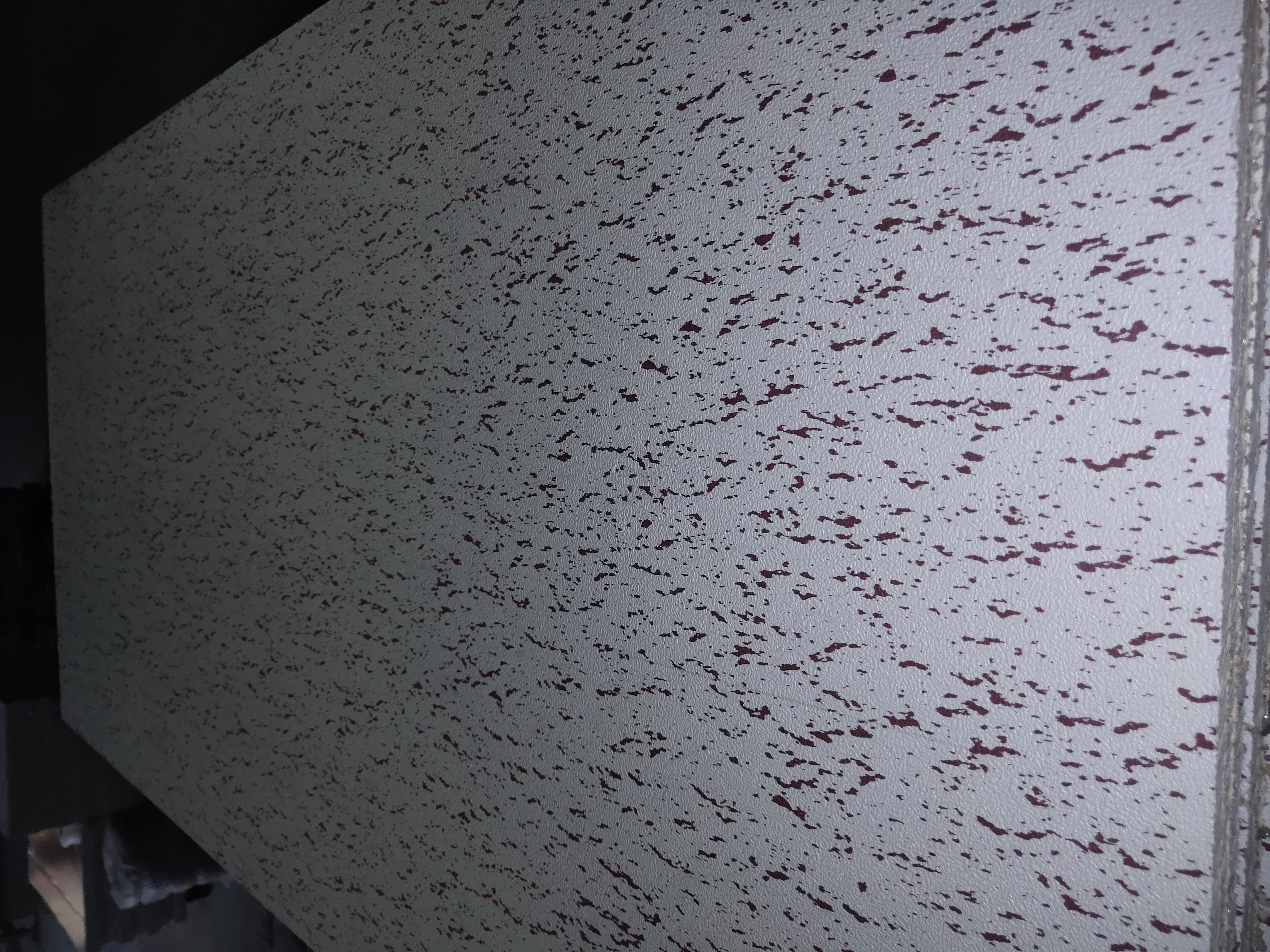
The architectural shift away from monolithic white drop ceilings demands better design solutions. Architects and facility managers now favor textured, colored overhead planes in modern spaces. Balancing aesthetic vision with strict functional requirements is difficult. You must manage light reflectance, moisture resistance, and acoustic performance without compromising the design. Dark colors and wood-look patterns often complicate these functional metrics. This guide provides a systematic framework for evaluating and specifying a colored pvc gypsum ceiling tile. We move from visual design and lighting integration to the critical physical sample approval process. You will learn how to navigate the physical limitations of laminated gypsum while achieving your intended architectural finish.
Light Reflectance is Critical: Dark or heavily patterned PVC tiles significantly reduce Light Reflectance Value (LRV), requiring compensatory artificial lighting and daylighting design to meet commercial illumination standards.
Application Dictates Texture: Smooth, non-porous PVC finishes are mandatory for high-humidity environments (kitchens, bathrooms), while deeper textures are reserved for dry, aesthetic-focused zones.
Acoustic Trade-offs: PVC-laminated gypsum prioritizes moisture resistance and cleanability over sound absorption; supplemental acoustic treatments may be necessary in high-noise environments.
Physical Sampling is Non-Negotiable: Digital color representations are unreliable; physical sample approval is required to verify batch consistency, lamination quality, glare under actual lighting, and structural rigidity.
Framing the Decision: When to Specify Colored PVC Gypsum Ceiling Tiles
Success Criteria
You must define specific scenarios where PVC-laminated gypsum outperforms standard mineral fiber or painted drywall. High-moisture areas requiring a premium aesthetic benefit greatly from these tiles. They facilitate rapid grid-installation requirements. Low-maintenance commercial spaces also rely on the cleanability of the PVC film. They offer a durable surface that resists sagging and staining better than traditional porous tiles. Facility managers prefer them in zones where regular overhead maintenance occurs. The rigid gypsum core withstands frequent handling when accessing the plenum space. You avoid the crumbling edges common with standard acoustic panels. This durability reduces replacement cycles in high-traffic commercial zones.
Consider the installation environment carefully. A standard 15/16-inch or 9/16-inch T-bar suspension system supports these panels easily. The added weight of the gypsum core requires proper grid wire spacing. Installers must follow strict guidelines for hanger wire placement. This prevents grid deflection over time. The colored PVC facing eliminates the need for field painting. This accelerates the construction schedule. You bypass the curing times associated with drywall ceilings. The pre-finished surface delivers immediate visual impact upon installation.
Material Composition and Environmental Limits
You need to differentiate a laminated gypsum panel from 100% extruded PVC panels. The PVC facing offers excellent moisture resistance and easy cleaning. However, the gypsum core restricts these tiles to climate-controlled indoor environments. They are not suitable for exterior soffits. You cannot use them in non-temperature-controlled outdoor applications due to core degradation risks. The aluminum foil backing on many of these tiles provides an additional vapor barrier. This backing prevents moisture from the plenum from penetrating the gypsum core. It stabilizes the panel in environments with fluctuating indoor humidity.
Temperature control remains a strict requirement. HVAC systems must maintain consistent indoor conditions. Extreme temperature swings cause the gypsum core to expand and contract. This movement can stress the PVC lamination adhesive. Over time, severe environmental fluctuations lead to edge delamination. You must verify that the building envelope is fully sealed before installing these ceiling materials. Temporary heating or cooling during construction is often necessary to protect the panels prior to final commissioning.
Solution Categories
The market offers several distinct visual categories. Solid colors provide a clean, modern look. Faux-material replications include wood grain, stamped tin, and stone textures. Geometric patterns add architectural depth to flat spaces. You should select the category based on the spatial function and the desired visual impact. Solid black or dark grey tiles effectively mask exposed ductwork in open-concept designs. Wood grain finishes introduce warmth to corporate lobbies without the weight of real timber.
Solid Colors: Best for minimalist designs and utility spaces.
Wood Grain Replications: Ideal for hospitality and executive areas.
Stamped Tin Patterns: Suited for vintage retail and restaurant interiors.
Geometric Designs: Used to break up large, monotonous ceiling expanses.
Cost vs. Lead Time Realities
Establish baseline expectations for procurement early in the design phase. Standard white tiles are inventoried commodities available immediately. Specific colored or patterned PVC tiles often require custom batch runs. This impacts project timelines. You must account for extended lead times and minimum order quantities when specifying custom colors. Factory production schedules dictate availability. You cannot rely on local distribution centers for immediate stock of specialized patterns.
Plan your material staging accordingly. Custom runs mean that any shortages during installation cause severe project delays. You must calculate accurate square footage during the initial takeoff. Include waste factors for perimeter cuts and complex room geometries. Ordering a secondary batch weeks later risks mismatched dye lots. The initial procurement phase requires precise coordination between the architectural team and the general contractor.
Evaluating Color Options and Light Reflectance Value (LRV)
The Impact of Dark vs. Light Ceiling Panels
Dark ceilings create intimacy and hide exposed plenum infrastructure effectively. They draw the eye downward, making large, cavernous rooms feel grounded. Light ceilings maximize perceived height and volume. Matte black, deep wood tones, and metallic PVC finishes excel in retail and hospitality environments. They also suit modern office spaces seeking an industrial aesthetic. The psychological impact of ceiling color alters occupant behavior. Darker overhead planes encourage focused, localized activity. Lighter ceilings promote a sense of openness and collaboration.
You must evaluate the specific room dimensions. A dark ceiling in a room with low clearance feels oppressive. The same dark tile in a double-height atrium provides necessary visual compression. Metallic finishes introduce dynamic reflections. They change appearance as occupants move through the space. You use these finishes to highlight specific architectural features or pathways. The color choice directly influences the perceived scale of the interior environment.
Calculating LRV and Integrating Daylighting Designs
Light Reflectance Value (LRV) plays a critical role in energy-efficient building design. Standard white PVC gypsum often boasts an LRV of 80% or higher. Dark or heavily patterned colored tiles have a significantly lower LRV. Specifying a low-LRV colored tile necessitates recalculating the room's artificial lumen requirements. You must strategically coordinate with natural daylighting. Adjust window placement and skylights to avoid non-compliance with commercial lighting codes.
Ceiling Tile Finish
Estimated LRV Range
Lighting Adjustment Required
Standard White PVC
80% - 85%
Baseline (No adjustment)
Light Wood Grain
45% - 55%
Moderate increase in ambient lumens
Dark Walnut / Mahogany
15% - 25%
Significant increase; add task lighting
Matte Black
5% - 10%
Complete lighting redesign required
Electrical engineers rely on accurate LRV data to design the lighting layout. A sudden change from a white tile to a dark wood grain tile during the submittal phase disrupts the entire lighting calculation. You must lock in the ceiling finish early. Daylighting harvesting systems also depend on ceiling reflectance. Sensors calibrate based on the expected light bounce. Low-LRV ceilings absorb natural light, forcing artificial fixtures to run at higher outputs. This impacts the building's overall energy performance.
Coordinating Ceiling Color with Flooring and Trim
Architectural color mapping requires careful planning. Match cool-toned PVC ceilings with cool-toned flooring. Manage contrast ratios to prevent visual fatigue. Attempting exact color matches across different materials carries high risks. Matching a PVC wood-grain ceiling tile to a natural hardwood floor usually fails due to texture differences. We recommend complementary contrasting instead to achieve a cohesive design. A dark ceiling pairs well with light concrete floors. This contrast defines the spatial boundaries clearly.
Consider the suspension grid color. The T-bar grid forms a visible matrix across the ceiling plane. You can specify grid components that match the tile color for a monolithic appearance. Alternatively, a contrasting grid color highlights the modular nature of the ceiling. Black tiles in a white grid create a striking geometric pattern. You must specify the grid finish alongside the tile to ensure visual harmony. Wall trim and perimeter molding must also align with the ceiling's color palette.
Selecting Patterns and Textures for Scale and Function
Faux Finishes: Wood, Stone, and Tin Replications
Laminated PVC films mimic natural materials and classic decorative panels with high realism. Manufacturing quality dictates the visual success of these faux finishes. PVC wood-look or tin-look tiles offer distinct durability advantages. They resist the warping and weight issues of actual wood. They avoid the corrosion risks of stamped metal in suspended grid systems. The printing technology used on the PVC film determines the depth and clarity of the pattern. High-definition printing creates convincing grain structures and veining.
You must evaluate the repeat pattern of the film. Low-quality tiles use a short repeat. This creates an obvious, artificial grid when installed across a large room. Premium manufacturers use extended pattern variations. This randomizes the visual layout, enhancing the illusion of natural materials. You should request a mockup of at least four tiles to evaluate the pattern distribution. This step prevents unpleasant visual surprises during the final installation.
Scaling Patterns to Room Size and Ceiling Height
Pattern scaling requires strict guidelines. Large, bold geometric patterns overwhelm low ceilings under 9 feet. Micro-textures disappear visually in high-bay commercial installations. The grid-visibility factor also matters. The standard 2x2 or 2x4 T-bar grid interacts with the tile's printed pattern. Select grid colors that complement the tile, choosing between matching or contrasting finishes. A 2x4 tile with a linear wood grain pattern elongates a corridor. The orientation of the tile within the grid dictates the directional flow of the space.
Use micro-textures for ceilings below 10 feet to maintain subtle visual interest.
Deploy large geometric patterns in atriums or spaces with ceilings above 14 feet.
Align linear patterns parallel to the longest wall to emphasize room length.
Select 2x2 tiles for complex, multi-directional patterns to maintain symmetry.
Texture Considerations for Wet Areas and Maintenance
Wet areas demand strict compliance requirements. Commercial kitchens, pool decks, and bathrooms need specific materials. Deep, embossed textures trap grease, dust, and moisture. This creates sanitation failures. Smooth or lightly textured colored PVC tiles are the only viable choice for strict hygiene environments. They allow for rapid, effective surface cleaning. Facility maintenance teams require surfaces that withstand regular wiping with commercial disinfectants.
The edges of the tiles require attention in wet zones. Standard installation leaves the cut gypsum edges exposed to plenum moisture. You must specify tiles with sealed edges or apply a compatible sealant during installation. This prevents moisture ingress that leads to core swelling. The PVC face provides a barrier, but the perimeter remains vulnerable. Proper detailing at the grid interface ensures long-term performance in humid environments.
Integrating Lighting Systems with Colored Ceilings
Recessed vs. Suspended Lighting Compatibility
Different lighting fixtures interact uniquely with colored PVC gypsum panels. Cutting recessed lighting holes into laminated gypsum requires structural considerations. You must prevent film peeling during the cutting process. Manage tile deflection by utilizing independent support for heavy fixtures. Never rely on the gypsum panel to support the weight of a commercial light fixture. Installers must use sharp hole saws to create clean penetrations. Dull tools tear the PVC film, leaving ragged edges visible around the fixture trim.
Suspended linear fixtures require independent hanger wires attached directly to the true ceiling deck. You route the suspension cables through small penetrations in the tile. This method preserves the structural integrity of the gypsum core. The colored PVC surface acts as a backdrop for the suspended fixtures. You must coordinate the fixture housing color with the ceiling tile finish. A mismatched fixture housing disrupts the intended aesthetic of a dark or patterned ceiling.
Managing Glare and Shadows on Textured PVC
The reflectivity of PVC films varies between matte and gloss finishes. Glossy films reflect light sharply. Indirect lighting or harsh directional lighting creates unwanted hot spots. It can also cast harsh shadows across embossed patterns. This alters the intended color perception. Test lighting angles to ensure the texture enhances rather than detracts from the space. Matte finishes diffuse light more evenly. They hide minor surface imperfections and dust accumulation better than high-gloss options.
Wall-wash fixtures require careful placement. If positioned too close to a textured PVC ceiling, they highlight every ridge and seam. This grazing effect exaggerates the grid lines and any slight panel sagging. You must maintain adequate distance between the light source and the ceiling plane. Consult with the lighting designer to model the photometric distribution. This ensures the colored ceiling receives uniform illumination without distracting glare.
Performance Trade-Offs: Aesthetics vs. Acoustics and Compliance
Noise Reduction Coefficient (NRC) Realities
PVC-faced gypsum has a primary functional limitation. Its hard, reflective surface results in a low Noise Reduction Coefficient (NRC). It performs poorly compared to porous mineral fiber. You must implement mitigation strategies for spaces specifying colored PVC tiles. Integrate acoustic wall panels. Use carpeted flooring. Alternatively, alternate PVC tiles with acoustic tiles in the grid system. The rigid nature of the gypsum core provides decent Sound Transmission Class (STC) ratings. It blocks sound transfer between adjacent rooms through the plenum.
Material Type
Typical NRC Rating
Typical STC Rating
Primary Acoustic Function
Standard Mineral Fiber
0.50 - 0.70
30 - 35
Sound Absorption (Echo reduction)
PVC Gypsum Tile
0.10 - 0.15
35 - 40
Sound Blocking (Room-to-room privacy)
You cannot rely on PVC gypsum for reverberation control. In open-plan offices or busy restaurants, the hard ceiling bounces sound waves back into the space. You must calculate the total acoustic absorption required for the room. If the ceiling provides minimal absorption, you must add soft materials elsewhere. Baffles suspended below the PVC ceiling offer a compromise. They provide acoustic control while allowing the colored ceiling to remain visible.
Fire Ratings and Building Code Compliance
Mandatory safety evaluations are critical. Ensure the colored PVC film and the gypsum core combined meet Class A fire ratings under ASTM E84. Never import uncertified, low-cost colored tiles. They often fail local fire marshal inspections. Highly flammable laminate adhesives pose a severe safety risk in commercial buildings. The manufacturer must provide current, independent laboratory test reports. These documents prove the material's flame spread and smoke developed indices comply with local building codes.
Inspectors scrutinize ceiling materials during the final occupancy review. If the tiles lack proper certification stamps or documentation, you face mandatory replacement. This causes catastrophic project delays and cost overruns. You must verify the fire rating applies to the entire composite panel, not just the gypsum core. The PVC film and the adhesive layer must pass the same rigorous testing. Always submit the technical data sheets to the authority having jurisdiction before purchasing the material.
The Sample Approval Process: Mitigating Procurement Risk
Why Digital Renderings Are Insufficient
Screen calibration is inherently unreliable. Digital rendering artifacts distort true material appearance. Photography cannot capture PVC sheen and texture accurately. The physical sample is a mandatory risk-mitigation tool. You must evaluate it before authorizing large capital expenditures for ceiling materials. A color that looks warm on a monitor often appears sterile under actual fluorescent lighting. The texture depth is impossible to gauge from a flat image. You need to hold the material to assess its rigidity and surface quality.
Architectural submittals require physical verification. You cannot approve a finish schedule based on a PDF brochure. The physical sample reveals the true gloss level of the PVC film. It shows how the printed pattern interacts with ambient light. You must present the physical sample to the client for final sign-off. This protects the design team from liability if the installed product differs from the client's expectations based on digital mockups.
Requesting and Testing Physical Samples
Follow a strict evaluation checklist for physical samples. First, conduct a lighting test. View the sample under the exact color temperature of the intended installation space. Place it adjacent to natural light sources. Second, perform a moisture and cleaning test. Apply standard facility cleaning chemicals to verify the colorfastness of the PVC film. Finally, execute a lamination and edge inspection. Check the adhesive strength at the tile edges. Ensure the colored film will not delaminate during grid installation.
Verify color accuracy under 3000K, 4000K, or 5000K lighting as specified for the room.
Scrub the sample with industrial cleaners to check for ink transfer or film degradation.
Inspect the foil backing for continuous coverage and proper adhesion to the core.
Test the edge durability by simulating the friction of dropping the tile into a T-bar grid.
Lead Times, Batch Consistency, and Scalability
Understand the concept of dye lots in PVC film manufacturing. Slight chromatic variations occur between different production runs. Specifiers should order a 10-15% overage from the exact same manufacturing batch. This ensures perfect color matching for future repairs. You can contact to secure samples from a single, consistent production batch. Mixing tiles from different dye lots in the same ceiling grid creates a checkerboard effect. This ruins the monolithic appearance of the design.
Store the attic stock in a climate-controlled environment. Improper storage degrades the spare tiles, rendering them useless for future maintenance. The facility manager must track the specific batch numbers and manufacturer details. When a tile sustains damage from a roof leak or plumbing failure, you need an exact match ready. Proper planning during the procurement phase guarantees the ceiling maintains its intended aesthetic for the lifespan of the interior fit-out.
Conclusion
A colored PVC gypsum ceiling tile should never be selected on appearance alone. Color, pattern, and texture must be evaluated alongside light reflectance, humidity exposure, cleaning requirements, acoustic needs, fire compliance, and grid compatibility. Confirming these factors early—and approving a physical sample under the project’s actual lighting—helps prevent finish mismatches, performance problems, and costly replacement after installation.
Panda provides ceiling boards and tiles together with compatible framing and accessories, helping customers coordinate both the visual finish and the complete ceiling system. If you are comparing colors, wood-look patterns, specifications, or order quantities for an upcoming project, contact the Panda team to discuss your requirements and request suitable product information or samples.
FAQ
Q: Can you paint standard PVC gypsum ceiling tiles to change their color?
A: Painting over PVC film is not recommended. Paint suffers from adhesion failure on smooth PVC surfaces. It also destroys the inherent moisture resistance and cleanability of the factory film. You should purchase pre-colored tiles to ensure durability and performance.
Q: Do dark ceiling tiles make a room look smaller?
A: Dark ceilings lower the perceived height of a room. However, they do not necessarily make it look smaller. They can make a space feel more intimate, grounded, or industrial. The final effect depends heavily on the integration of proper wall colors and lighting design.
Q: Are colored PVC ceiling tiles suitable for high-humidity bathrooms?
A: Yes, they are highly suitable for high-humidity areas. You must ensure the edges are properly sealed. Choose a smooth, non-embossed texture to prevent mold and mildew accumulation. The PVC facing acts as an excellent moisture barrier.
Q: Can colored PVC gypsum ceiling tiles be used outdoors or in exterior soffits?
A: No. Despite the protective PVC facing, the internal gypsum core remains susceptible to extreme temperature swings and ambient moisture. This restricts their use strictly to climate-controlled indoor environments to prevent sagging and structural degradation.
Q: How do I clean textured colored PVC ceiling tiles?
A: Use a damp microfiber cloth with a mild, non-abrasive detergent. Avoid harsh chemical solvents that can degrade the PVC film or alter its color. For deep embossed textures, a soft-bristle brush helps remove dust trapped in the crevices.
Guangzhou Panda Commercial Development Co.,Ltd. is a company based in Guangzhou, China. We have more than 20 years experience in the production and export of wall and ceiling system products.
Address: Unit 1310, 13/F, South Tower of Xijiao Xieli Business Centre,No. 159, Middle of Qiaozhong Road, Liwan District, Guangzhou City, Guangdong Province, China
Subscribe To Our Newsletter
Promotions, new products and sales. Directly to your inbox.