Gypsum ceilings are a popular choice for homeowners and contractors due to their smooth finish, durability, and fire resistance. However, cracks in gypsum ceilings can significantly affect the aesthetic appeal and structural integrity of a space. In this article, we will explore the common causes of cracks in gypsum ceilings and provide practical tips on how to prevent them, ensuring the longevity and quality of your ceiling installations.
What Causes Cracks in Gypsum Ceilings?
Understanding the causes of cracks in gypsum ceilings is essential to preventing them. Cracks can occur due to various factors, ranging from poor installation practices to environmental fluctuations. Let’s break down the key causes:
Structural Movement and Framing Shrinkage/Expansion
One of the primary reasons for cracks in gypsum ceilings is structural movement. Over time, wood framing can change dimensions as moisture content fluctuates, especially in seasonal changes. This can exert pressure on gypsum boards, leading to joint separation or the formation of ridges or beading along seams. These issues are particularly common in areas with high humidity or where the framing material is prone to shrinking or expanding.
Poor Workmanship During Installation
Inadequate installation practices are another significant contributor to gypsum ceiling cracks. If the joints are not properly finished or if the gypsum boards are not correctly aligned, stress points may form, making the ceiling more prone to cracks. Improper fastener placement or misalignment during installation can create areas of tension that eventually lead to visible cracks. It's crucial to follow the recommended installation guidelines to ensure the ceiling remains intact and durable.
Humidity and Environmental Fluctuations
High humidity or repeated moisture exposure can weaken the gypsum core or the joint finishes, making them more susceptible to cracking. Gypsum is a porous material, and when exposed to excessive moisture, it can expand and sag, causing cracks to form. Environments with high humidity or fluctuating temperature levels can exacerbate this problem. Keeping the humidity levels in check and ensuring proper ventilation can help prevent these issues from arising.
Why Gypsum Ceiling is Still a Popular Choice Despite Crack Risks
Even though gypsum ceilings are susceptible to cracks under certain conditions, they remain a popular choice for many due to their many benefits:
Stable Material with Minimal Shrinkage
When installed correctly, gypsum ceilings experience minimal shrinkage under stable environmental conditions. This makes them a reliable choice for residential and commercial spaces alike, providing a smooth and durable finish that lasts for years.
Cost-Effectiveness and Ease of Finishing
Gypsum ceilings are relatively affordable compared to other ceiling systems, such as suspended or metal ceilings. They are easy to finish, and the smooth surface makes it easier to paint or apply decorative treatments. Gypsum ceilings provide an excellent canvas for aesthetic customization, making them an ideal choice for modern homes and commercial spaces.
Long-Term Solution with Proper Installation and Maintenance
For most interior projects, gypsum ceilings provide a long-lasting, cost-effective solution when installed and maintained correctly. With proper care, such as controlling environmental factors and regular inspections, gypsum ceilings can maintain their structural integrity and aesthetic appeal over time.
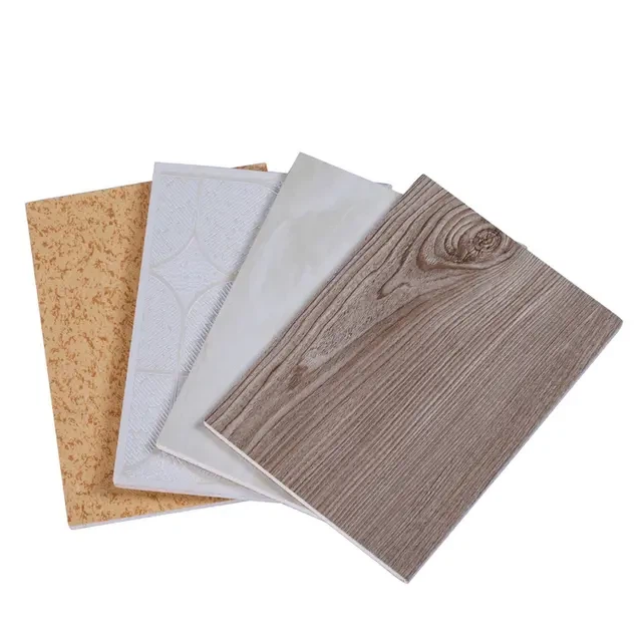
Best Practices During Installation to Prevent Cracks
To avoid cracks in gypsum ceilings, proper installation is essential. Here are some best practices to follow:
Use Proper Framing
Ensure that the framing is level, plumb, and aligned before installing the gypsum boards. Misaligned or warped studs and joists can cause uneven pressure on the ceiling, leading to cracks. Checking the framing for accuracy before installation can help prevent future issues.
Correct Fastener Usage
Fastener placement is critical for preventing cracks. Follow the recommended spacing for screws or nails, and avoid overdriving the fasteners into the gypsum board. Using the appropriate fasteners and ensuring they are correctly installed will provide a secure and stable ceiling that is less likely to develop cracks over time.
Use Resilient Channels or Floating Installations
For larger ceiling spans, consider using a “floating” or “resilient channel” installation method. This technique helps isolate the gypsum boards from the movement of the framing, reducing stress on the ceiling and minimizing the risk of cracks. It is especially beneficial in spaces where structural movement is expected.
Plan for Control Joints
In ceilings with large areas, it's important to plan for control joints. These joints relieve stress by allowing the ceiling to expand and contract without causing cracks in the material. Properly spaced control joints can help maintain the structural integrity of the ceiling.
After-Installation Maintenance to Preserve Gypsum Ceiling Integrity
Maintaining a gypsum ceiling after installation is crucial to its long-term performance. Here are some maintenance tips:
Control Indoor Humidity and Temperature Fluctuations
One of the most effective ways to preserve a gypsum ceiling’s integrity is by controlling the indoor environment. Maintaining stable humidity and temperature levels can prevent wood framing movement and gypsum stress. Installing a dehumidifier or improving ventilation can help regulate moisture levels.
Regular Inspection
Inspect your gypsum ceiling regularly for signs of cracking, sagging, or damage. Pay close attention to the seams, joints, and fasteners. Performing a thorough inspection every six months can help you identify small issues before they become bigger problems.
Gentle Cleaning
Avoid using excessive moisture when cleaning a gypsum ceiling, as this can damage the gypsum core and finish. Instead, use a dry cloth or duster to remove dust and debris. For spot cleaning, use a mild detergent with a damp cloth, but avoid over-wetting the ceiling.
Prompt Repair of Small Defects
If you notice any small cracks or defects, it's important to repair them promptly. Use mesh tape to cover cracks, then re-finish the joints to restore the ceiling’s smooth appearance. Addressing these issues early on can prevent them from expanding and causing more extensive damage.
Why Choose Our Gypsum Ceiling Systems
Our company, Guangzhou Panda Commercial Development Co., Ltd., offers high-quality gypsum ceiling systems designed to meet the needs of both residential and commercial projects. Our gypsum ceiling tiles are manufactured under strict quality control to reduce defects and ensure stability under normal environmental conditions. We also provide professional guidance for proper framing and installation techniques, including resilient channel options, to minimize the risk of cracks.
Our post-sale support ensures that clients receive user-friendly maintenance guidelines, helping them preserve the integrity of their gypsum ceilings over time. With our durable and aesthetically pleasing gypsum ceiling systems, you can trust that your ceilings will remain intact and beautiful for many years.
Conclusion
In conclusion, while cracks in gypsum ceilings can occur due to various factors such as structural movement, poor workmanship, and environmental conditions, proper installation and maintenance practices can significantly reduce the risk. By ensuring proper framing, using the correct fasteners, and maintaining a stable environment, you can preserve the integrity of your gypsum ceiling.
At Guangzhou Panda Commercial Development Co., Ltd., we offer high-quality gypsum ceiling systems that are designed to withstand the test of time. If you're looking for durable and aesthetically pleasing ceiling solutions, contact us today for more information or to place an order.
FAQs
1. How do I prevent cracks in my gypsum ceiling?
To prevent cracks, ensure that your gypsum ceiling is installed with properly aligned framing, correct fastener usage, and resilient channel installations for large spans. Regular maintenance and humidity control are also crucial.
2. Can I repair small cracks in a gypsum ceiling myself?
Yes, small cracks can be repaired using mesh tape and re-finishing the joints. Promptly addressing minor defects can prevent them from growing larger.
3. Why does gypsum ceiling crack over time?
Gypsum ceilings can crack due to structural movement, poor installation practices, or environmental fluctuations such as humidity changes.
4. What are the benefits of using gypsum ceilings?
Gypsum ceilings are cost-effective, easy to install, and provide a smooth finish. They are also durable, fire-resistant, and ideal for decorative treatments.




