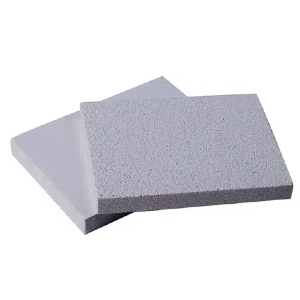
In the construction and interior design industries, safety and performance are top priorities. Among the many materials available for ceilings, the mineral fiber ceiling board has emerged as a versatile solution for modern spaces. Within this category, one particular type—rock wool ceiling—has gained significant attention for its exceptional fire-resistant properties. Beyond aesthetics, these ceiling solutions play a crucial role in enhancing building safety, especially in environments where fire hazards pose serious risks.
This article explores how rock wool ceiling contributes to fire safety, why mineral fiber ceiling boards are widely used in modern projects, and the additional advantages that make them a preferred choice for architects, designers, and facility managers.
Understanding Mineral Fiber Ceiling Boards
Mineral fiber ceiling boards are manufactured from a combination of natural and synthetic materials, including mineral wool, recycled paper, starch, and binding agents. This blend creates a ceiling material that is lightweight yet durable, with properties suited for acoustic control, insulation, and fire safety.
These boards are commonly used in offices, schools, hospitals, shopping centers, and other commercial spaces where functional performance is just as important as appearance. Their ability to provide excellent sound absorption, thermal insulation, and fire resistance makes them one of the most widely used ceiling solutions globally.
What Is Rock Wool Ceiling?
Rock wool ceiling is a specific type of mineral fiber ceiling board made primarily from basalt rock and other natural minerals that are melted at high temperatures and spun into fibers. These fibers are then pressed into ceiling tiles or boards.
The distinguishing feature of rock wool ceiling is its exceptional fire resistance. Because rock wool is made from inorganic mineral fibers that can withstand extremely high temperatures, it provides superior fire safety performance compared to many other ceiling materials.
Fire Safety: The Core Advantage of Rock Wool Ceiling
Non-Combustible Nature One of the most significant advantages of rock wool ceiling boards is their non-combustible property. Unlike wood, plastic, or other synthetic ceiling materials, rock wool does not ignite or contribute to the spread of fire. In the event of a fire, these ceilings act as a protective barrier, slowing down the flame propagation and preventing it from reaching upper floors or adjacent areas. This feature is especially critical in multi-story buildings, commercial complexes, hospitals, and schools, where controlling the spread of fire can save lives and minimize property damage.
High Melting Point Rock wool fibers are made from natural basalt or recycled materials and possess a very high melting point, typically around 1000°C (1832°F) or even higher. This exceptional thermal resistance ensures that the ceiling maintains structural integrity during a fire, providing crucial extra minutes for occupants to evacuate safely. It also helps firefighters by slowing down the spread of heat and flames, allowing more time for intervention before the fire escalates.
Reduced Smoke and Toxic Fumes During a fire, smoke and toxic fumes are often more dangerous than the flames themselves. Rock wool ceilings have the advantage of not releasing harmful gases when exposed to high heat. This reduces the risk of smoke inhalation and poisoning, enhancing overall safety for building occupants. In public buildings or high-occupancy areas, this property can make a significant difference in emergency situations, providing a safer environment during evacuation.
Compliance with Fire Safety Standards Modern building codes and international safety regulations often mandate the use of fire-resistant materials in both commercial and residential projects. Rock wool ceilings consistently meet these stringent standards, ensuring compliance and peace of mind for architects, contractors, and facility managers. By incorporating rock wool ceiling boards, projects not only prioritize safety but also align with best practices for sustainable and secure building design.
Other Benefits of Rock Wool Ceiling
While fire safety is the standout advantage, rock wool ceiling also provides additional benefits that enhance the overall functionality of a space:
Acoustic Performance: Rock wool has a naturally porous structure that absorbs sound, reducing noise levels and improving acoustics in offices, classrooms, and healthcare facilities.
Thermal Insulation: By minimizing heat transfer, rock wool ceiling contributes to energy efficiency, helping reduce heating and cooling costs.
Moisture Resistance: Rock wool is resistant to moisture, reducing the risk of mold growth and maintaining a healthy indoor environment.
Durability: Resistant to sagging, impact, and wear, rock wool ceiling boards maintain their appearance and performance for years with minimal maintenance.
Sustainability: Made from natural minerals and often containing recycled content, rock wool ceiling boards align with green building standards and sustainable construction practices.
Applications of Rock Wool Ceiling in Building Safety
Because of its reliable fire resistance, rock wool ceiling is widely used in settings where safety is critical:
Hospitals and Healthcare Facilities – Protecting patients and staff in emergencies requires materials that won’t release toxic fumes and can withstand fire for longer periods.
Educational Institutions – Schools and universities prioritize both safety and comfort, making rock wool ceiling an ideal solution.
Commercial Buildings – Offices, malls, and retail centers use mineral fiber ceiling boards, including rock wool, to meet strict fire safety and acoustic requirements.
Transportation Hubs – Airports, train stations, and bus terminals benefit from rock wool ceilings’ fire safety, durability, and sound control.
Industrial Spaces – Factories and warehouses often use rock wool ceilings as an added layer of protection against fire hazards.
Rock Wool Ceiling vs. Other Ceiling Materials
When comparing rock wool ceiling with alternatives such as gypsum boards, metal ceilings, or PVC panels, several key differences stand out:
Fire Safety: Rock wool ceiling offers significantly higher fire resistance than gypsum or PVC panels.
Acoustic Properties: Its porous structure provides superior sound absorption compared to metal ceilings.
Durability: Unlike PVC or wood, rock wool ceiling does not warp or degrade with heat and moisture.
Environmental Impact: Rock wool is a more sustainable option due to its natural composition and recyclability.
The Role of Mineral Fiber Ceiling Boards in Modern Building Design
The growing demand for energy efficiency, safety, and sustainability has solidified the place of mineral fiber ceiling boards in contemporary architecture. Designers and builders increasingly look for ceiling solutions that balance aesthetics with high performance.
By choosing rock wool ceiling, builders ensure that their projects meet fire safety codes while also providing long-term benefits like noise reduction and thermal comfort. This makes mineral fiber ceiling boards a future-ready choice for modern buildings.
Conclusion
Fire safety is one of the most critical aspects of modern construction, and rock wool ceiling stands out as an excellent solution within the broader category of mineral fiber ceiling boards. Its non-combustible nature, high thermal resistance, and compliance with safety standards make it a trusted material for architects and builders worldwide.
Beyond fire safety, rock wool ceiling delivers added advantages in sound absorption, energy efficiency, and durability, making it a multifunctional choice that enhances both safety and comfort in buildings.
For businesses, designers, or contractors considering mineral fiber ceiling solutions, exploring high-quality products is essential. Companies like Guangzhou Panda Commercial Development Co., Ltd. provide reliable mineral fiber and rock wool ceiling boards that meet international standards. To learn more or discuss your specific project needs, you can visit or reach out to Guangzhou Panda Commercial Development Co., Ltd.for expert guidance and product options.
Guangzhou Panda Commercial Development Co.,Ltd. is a company based in Guangzhou, China. We have more than 20 years experience in the production and export of wall and ceiling system products.
Address: Unit 1310, 13/F, South Tower of Xijiao Xieli Business Centre,No. 159, Middle of Qiaozhong Road, Liwan District, Guangzhou City, Guangdong Province, China
Subscribe To Our Newsletter
Promotions, new products and sales. Directly to your inbox.