Fiberglass ceiling tiles are widely used in both residential and commercial spaces thanks to their acoustic control, fire resistance, and durability. Yet over time, these tiles may discolor, fade, or simply no longer match the interior décor. This leads many property owners to wonder whether painting fiberglass ceiling tiles is possible—and more importantly, whether doing so will affect performance, safety, or long-term durability. This article explores that question in depth while offering practical guidance, comparison insights, and step-by-step instructions so you can approach the task with clarity and confidence.
Contents
Understanding Fiberglass Ceiling Tiles and Why People Want to Paint Them
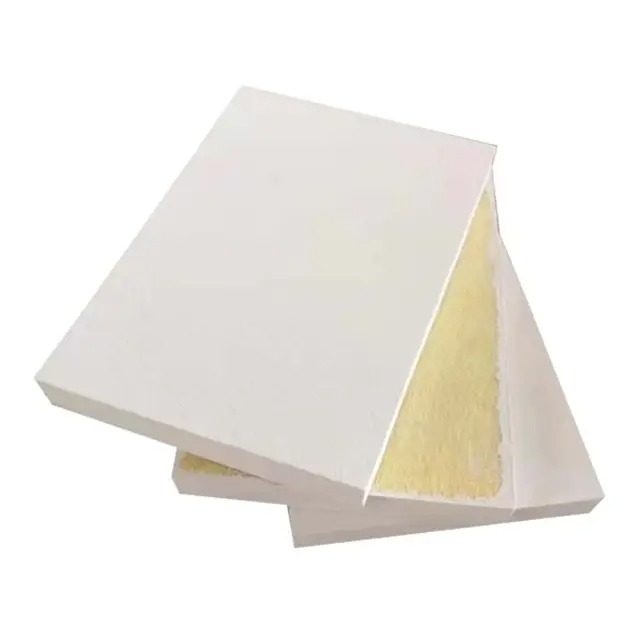
Fiberglass ceiling tiles serve as an essential building material in many modern interiors. Designed for acoustic absorption and lightweight installation, these tiles often appear in offices, basements, schools, and retail spaces. Over time, however, exposure to HVAC drafts, UV light, and humidity can cause the surface to shift in color or take on stains. This aesthetic decline creates a demand for refreshing the appearance without replacing the entire ceiling. Many property owners consider painting the fiberglass ceiling as a cost-effective way to revive a large space while maintaining the functional benefits that fiberglass provides. But before moving forward, it is essential to understand what these tiles are made of, how their surface behaves under paint, and what limitations may arise.
Can You Paint Fiberglass Ceiling Tiles Safely and Effectively?
The direct answer is yes—you can paint fiberglass ceiling tiles, but only when the proper materials and methods are used. These tiles feature a porous, resin-bonded glass fiber structure that does not behave like standard drywall or mineral tiles. As a result, regular interior paint may not adhere well, may clog acoustic pores, or may cause tile sagging if applied incorrectly. Safety is also important: some fiberglass ceilings are coated with specific factory-applied finishes intended to maintain fire ratings and acoustic performance. Using the wrong paint or applying too many layers can compromise these attributes. When executed with the correct primer, a compatible coating, and a light-application strategy, painting fiberglass ceiling tiles becomes a safe and effective way to refresh a room without replacement.
Preparing Fiberglass Ceiling Tiles for Painting
Preparation is critical for ensuring that paint bonds correctly to the fiberglass ceiling surface. Begin by removing loose dust and debris using a vacuum with a soft brush attachment; this prevents surface buildup from interfering with adhesion. Next, inspect each tile for moisture damage or warping, since painting will not correct structural issues. If tiles are part of a suspended grid system, consider lowering a few tiles at a time to clean and prime them on a flat surface. Cleaning should be done with a mild, water-based degreaser that does not saturate the material. Allow the tiles to dry fully before priming. A professional-grade bonding primer is necessary to create a stable base, and applying it as a thin, even coat will help preserve acoustic properties and prevent surface sealing.
Best Paints and Primers for Fiberglass Ceiling Surfaces
Choosing the right paint is essential to preserving the performance of fiberglass ceiling tiles. Oil-based products are generally not recommended, as they can stiffen the fibers and create uneven finishes. Instead, low-VOC, acrylic-latex paints are typically the best match since they adhere well to primed fiberglass and remain flexible over time. Specialty acoustical coatings are available for situations where sound absorption must remain high; these paints are formulated to avoid clogging pores on the fiberglass ceiling. When selecting a primer, a high-adhesion, stain-blocking acrylic primer is ideal. This combination ensures optimal bonding while maintaining the integrity of the fiberglass tile structure. Applying paint via airless sprayer achieves the most uniform result, but a roller with a fine nap can also work when used carefully to avoid excessive product buildup.
Step-by-Step Process for Painting Fiberglass Ceiling Tiles
Painting fiberglass ceiling tiles requires a methodical approach to avoid sagging, uneven color, or acoustic degradation. Start by removing the tiles from the grid when possible; this allows full control over application. Apply a thin coat of bonding primer and allow it to cure based on manufacturer recommendations. When painting, use multiple light coats rather than one heavy pass. Excessive moisture in paint applications can weigh down the fiberglass ceiling tile, causing warping over time. Spray applications produce the best results because they distribute the coating without pressing the tile fibers. After painting, allow the tiles to dry in a horizontal position before reinstalling to prevent edge curling. Proper ventilation during the process ensures faster curing and prevents unwanted odors from lingering in enclosed rooms.
Common Problems, Risks, and How to Avoid Them
While painting fiberglass ceiling tiles is feasible, several issues may arise if done without proper technique. A common problem is sagging caused by applying too much paint or exposing the tiles to humidity before they are fully cured. Another risk involves reduced sound absorption due to sealed pores; choosing acoustical paints prevents this problem. Uneven coloration or blotching often results from insufficient cleaning or failure to use a high-quality primer. Additionally, painting may void manufacturer warranties or alter the fire rating if incompatible coatings are used. To avoid these challenges, always verify tile specifications, apply coatings sparingly, allow full drying time, and test products on a single tile before coating an entire ceiling. These preventive practices protect the long-term performance of your fiberglass ceiling.
Comparing Painting vs. Replacing Fiberglass Ceiling Tiles
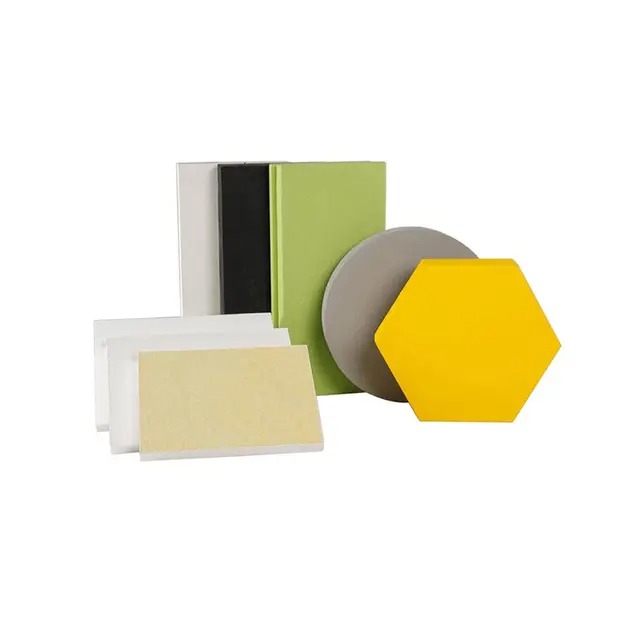
Refreshing a fiberglass ceiling can be achieved either by painting or replacing the tiles entirely, and each option comes with cost, performance, and aesthetic considerations. Painting is generally the more affordable path, particularly in large commercial spaces where replacement would be labor-intensive. However, replacement guarantees the original acoustic rating and fire classification without the risk of coating interference. Painting provides more customization, allowing colors to fit updated décor trends. Yet it also requires careful maintenance, as painted surfaces may not repel dust or stains as effectively as factory-finished tiles. Evaluating the age, condition, and performance requirements of your ceiling helps determine which solution delivers better long-term value.
Cost Comparison Table
| Option | Pros | Cons | Typical Cost Impact |
| Paint Fiberglass Ceiling Tiles | Low cost, customizable, extends current tiles' life | Risk to acoustic/fire performance if done incorrectly | Low |
| Replace Tiles | Restores full performance, warranty-safe | Higher material and labor cost | Medium to High |
Paint Type Comparison Table
| Paint Type | Suitability for Fiberglass Ceiling | Notes |
| Acrylic-Latex | Highly suitable | Flexible, durable, low-VOC |
| Oil-Based | Not recommended | May stiffen or damage fibers |
| Acoustical Ceiling Paint | Best for sound-sensitive spaces | Preserves acoustic properties |
Conclusion
Painting fiberglass ceiling tiles is a viable and cost-effective way to enhance the appearance of an aging ceiling. When performed with the appropriate tools, primers, and paint types, the process maintains both the aesthetic and functional value of the tiles. The key is understanding the unique properties of fiberglass and applying coatings lightly and correctly. Whether you choose to paint or replace, informed decisions ensure your ceiling remains durable, attractive, and aligned with the performance needs of your space.
FAQ
1. Will painting fiberglass ceiling tiles reduce sound absorption?
It can, especially if heavy paint coats clog the acoustic pores. Using acoustical paint and applying thin layers helps preserve sound-absorbing performance.
2. Do I need to remove fiberglass tiles before painting?
Removing them is recommended for even coverage, but ceiling-mounted painting is possible with careful masking and light spray techniques.
3. Can painted fiberglass ceiling tiles still meet fire-resistance standards?
Only if compatible coatings are used. Some paints can alter fire ratings, so always check manufacturer specifications.
4. How long do painted fiberglass ceilings last?
With proper primer, high-quality acrylic paint, and controlled indoor humidity, painted tiles can last several years before needing touch-ups.
5. Is spray painting better than rolling for fiberglass ceiling tiles?
Yes, spray painting ensures a smooth, lightweight application that preserves the tile’s structure and acoustic performance.




