A well-designed ceiling system plays a major role in a building’s acoustics, comfort, and energy performance. As construction and renovation projects increasingly prioritize better indoor environments, the choice of insulation material becomes a central decision—especially when comparing Rockwool ceiling insulation with traditional fiberglass batts. These two products may seem similar at first glance, but their real-world performance varies significantly in terms of sound control, fire resistance, thermal stability, durability, and installation factors. Understanding these differences allows homeowners, contractors, and building designers to choose materials that genuinely enhance ceiling performance rather than relying on outdated assumptions.
Contents
Understanding the Core Purpose of Ceiling Insulation
Rockwool Ceiling Insulation: What Makes It Different
Fiberglass Insulation for Ceilings: Strengths and Limitations
Thermal Performance Comparison
Acoustic Performance and Noise Reduction
Fire Resistance and Safety Considerations
Durability and Moisture Resistance
Cost, Installation, and Long-Term Value
Conclusion
FAQ
Understanding the Core Purpose of Ceiling Insulation
Ceiling insulation is more than a thermal barrier. It impacts energy efficiency, indoor comfort, sound privacy, fire safety, and even the long-term durability of ceilings. When comparing Rockwool vs fiberglass for ceiling applications, the primary focus should be on how the materials perform under real operating conditions rather than only on their R-values. Ceilings, especially in multi-story buildings or rooms requiring acoustic control, demand insulation that manages airflow, resists sagging, blocks sound, and remains stable over time without breaking down. This is why the material choice directly affects comfort levels, utility costs, and compliance with modern building standards. A Rockwool ceiling system is often evaluated for how effectively it supports these requirements, making it essential to analyze each material across multiple performance metrics before reaching a conclusion.
Rockwool Ceiling Insulation: What Makes It Different
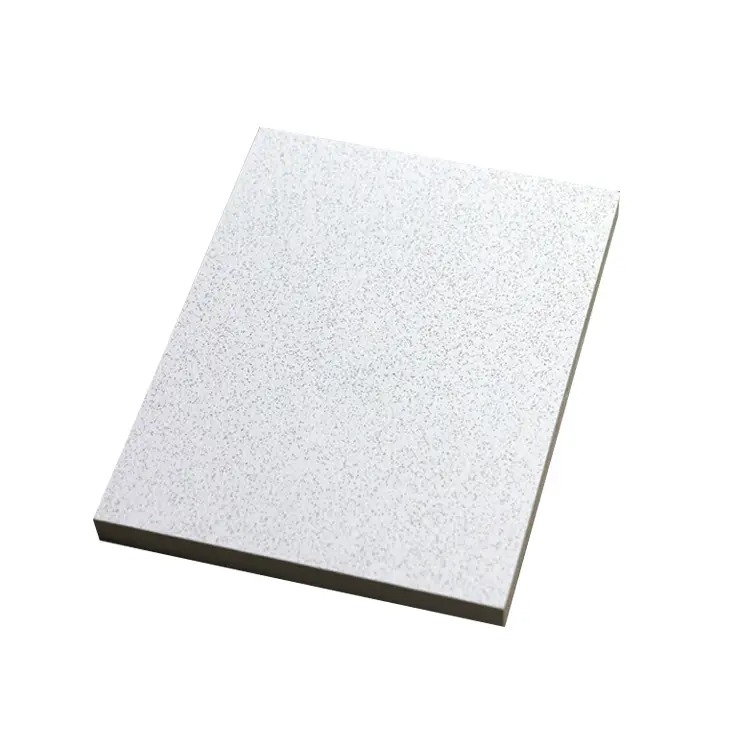
Rockwool insulation is manufactured from volcanic rock, spun into dense mineral wool fibers that naturally resist temperature change, sound transmission, and fire. When used in a Rockwool ceiling, the material’s rigidity and density help it remain in place while delivering consistent thermal and acoustic performance. One of its biggest distinctions is that Rockwool does not rely on chemical binders to perform effectively; its structure provides inherent strength and stability. This makes it ideal for ceilings where sagging, compression, or moisture exposure can compromise performance over time. Additionally, Rockwool’s higher mass and density provide meaningful advantages in noise reduction—particularly important in commercial ceilings, home theaters, office spaces, and multi-family housing. These features collectively set Rockwool apart from traditional fiberglass batts, which tend to be lighter and less robust.
Fiberglass Insulation for Ceilings: Strengths and Limitations
Fiberglass is often chosen for ceilings because of its affordability and widespread availability. Its lightweight structure makes it easy to handle, and it offers decent thermal resistance for standard residential ceilings. However, when assessing fiberglass for ceiling applications, its weaknesses—especially regarding sound control, fire performance, and long-term stability—become more apparent. Fiberglass tends to compress easily, reducing its effective R-value over time. Ceiling cavities exposed to vibration, airflow, or moisture may cause fiberglass to sag or deteriorate. In spaces requiring noise reduction, fiberglass often underperforms because of its lower density and less efficient sound-absorbing structure. When comparing fiberglass with a Rockwool ceiling system, the differences become clear: fiberglass may be suitable for budget-driven projects, but it frequently lacks the performance needed for demanding or long-term ceiling applications.
Thermal Performance Comparison
Thermal resistance is a crucial metric, but when choosing between Rockwool and fiberglass for a Rockwool ceiling or fiberglass ceiling system, real-world performance matters more than lab-rated R-values. Both materials offer similar R-values per inch, but the difference lies in consistency. Rockwool retains its thickness even in humid, high-temperature, or high-vibration environments. Fiberglass, on the other hand, loses R-value when compressed or exposed to moisture. The stability of Rockwool means that its thermal performance remains reliable throughout the life of the ceiling. This is especially important for spaces with temperature fluctuations, attic-adjacent ceilings, and ceilings in commercial buildings where thermal drift can lead to higher HVAC energy consumption. The table below summarizes key differences in thermal performance.
Thermal Performance Comparison Table
| Feature | Rockwool Ceiling | Fiberglass Ceiling |
| R-Value per inch | Comparable | Comparable |
| Stability over time | Excellent | Moderate to poor |
| Performance when compressed | Retains value | Significant loss |
| Resistance to thermal drift | High | Moderate |
| Ideal applications | High-performance and long-term ceilings | Basic low-cost ceilings |
Acoustic Performance and Noise Reduction
One of the most significant reasons homeowners and builders choose a Rockwool ceiling is its superior acoustic performance. Rockwool’s dense structure excels at absorbing sound waves, reducing both airborne noise and impact noise. This makes Rockwool the preferred choice in multi-unit buildings, recording studios, home theaters, offices, and rooms beneath foot-traffic areas. Fiberglass, while capable of some sound reduction, simply lacks the density required to block a meaningful amount of noise. In interior ceiling assemblies where privacy and sound control matter, fiberglass often delivers disappointing results. Rockwool, conversely, is engineered to reduce sound transmission by a measurable margin due to its mass and fiber orientation. This is a critical advantage in modern construction where acoustic comfort is a priority. The following table highlights the difference in noise-control capabilities.
Acoustic Performance Comparison Table
| Feature | Rockwool Ceiling | Fiberglass Ceiling |
| Density | High | Low |
| Sound absorption | Excellent | Fair |
| Best use cases | Multi-story, studios, offices | Basic residential ceilings |
| Resistance to vibration | Strong | Weak |
Fire Resistance and Safety Considerations
A major advantage of Rockwool is its inherent fire resistance. Because it is produced from basalt and recycled slag, Rockwool can withstand temperatures exceeding 1,000°C (1,800°F) without melting. In a Rockwool ceiling system, this level of fire resilience can provide additional evacuation time, reduced flame spread, and enhanced code compliance—making it a safer choice for both residential and commercial buildings. Fiberglass is non-combustible as well, but its binders and facings may degrade under high heat, and the material often fails earlier than Rockwool when exposed to flame. Additionally, Rockwool does not produce toxic smoke or off-gassing, which is a major advantage in enclosed ceiling spaces. For buildings requiring high fire-protection standards, Rockwool consistently outperforms fiberglass and is often specified by architects for safety-critical applications.
Durability and Moisture Resistance
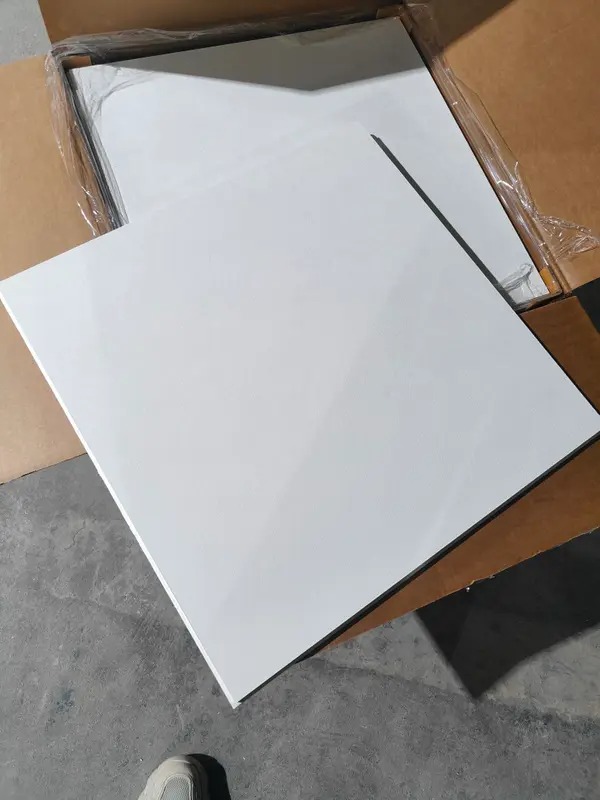
Durability is another area where Rockwool ceiling insulation outshines fiberglass. Mineral wool is highly hydrophobic, meaning it resists water absorption and prevents mold growth. It maintains its structure even in damp environments, making it ideal for ceilings near HVAC ducts, bathrooms, kitchens, or buildings prone to humidity. Fiberglass, however, absorbs moisture more easily and can lose both thermal and acoustic performance when wet. Moisture exposure can also cause fiberglass to sag from ceiling cavities, leading to gaps and energy loss. Rockwool’s superior structural integrity ensures that it stays in place, maintains its density, and provides consistent performance throughout its lifespan. This durability makes Rockwool especially valuable in long-term or commercial ceiling installations where replacement costs would be higher.
Cost, Installation, and Long-Term Value
While fiberglass is often less expensive upfront, Rockwool delivers greater long-term value for ceiling applications. A Rockwool ceiling may require a slightly higher initial investment, but the return is seen in reduced noise transfer, improved fire safety, and consistent thermal performance. Rockwool is also easier to cut cleanly, fits more snugly between joists, and does not produce the same level of airborne irritants as fiberglass. Installation time may be similar for both materials, but Rockwool’s rigidity and precision fit reduce the risk of gaps that compromise energy efficiency. Over the lifespan of a building, these advantages translate into lower energy costs, fewer safety concerns, and better indoor comfort. For most homeowners and builders seeking premium performance, Rockwool offers superior long-term value.
Conclusion
When evaluating Is Rockwool better than fiberglass for ceiling applications?, the evidence strongly supports Rockwool as the superior choice for most modern building needs. From acoustic control and fire resistance to moisture durability and long-term thermal stability, Rockwool consistently outperforms fiberglass in ceiling installations. While fiberglass holds an advantage in upfront cost, it often falls short in performance-critical or high-demand environments. A Rockwool ceiling delivers more predictable results, enhanced comfort, and a higher level of safety—making it the better long-term investment for residential, commercial, and specialized acoustic applications.
FAQ
1. Is Rockwool worth the extra cost for ceiling insulation?
Yes. The higher density, fire resistance, and superior acoustic performance of Rockwool offer long-term value and reduced maintenance compared to fiberglass.
2. Does Rockwool provide better soundproofing for ceilings?
Absolutely. Rockwool’s density makes it significantly more effective at blocking and absorbing sound than fiberglass.
3. Can Rockwool be used in suspended or drop ceilings?
Yes. Rockwool panels and batts are commonly used in suspended ceilings for acoustic control and fire protection.
4. Will Rockwool insulation sag in ceiling cavities?
No. Rockwool’s rigid structure resists sagging, compression, and deterioration over time.
5. Is fiberglass ever better than Rockwool for ceilings?
Fiberglass may be chosen for budget-focused projects, but for performance-critical ceilings, Rockwool remains the stronger option.




