When it comes to enhancing thermal efficiency and comfort in buildings, fiberglass ceiling insulation remains one of the most popular and cost-effective solutions. Proper insulation is vital to reduce energy costs, improve indoor comfort, and enhance the overall performance of a building. In this article, we will provide a clear, step-by-step guide for installing fiberglass insulation in ceilings, with a focus on best practices that ensure optimal performance and safety.
Why Use Fiberglass Insulation for Ceilings
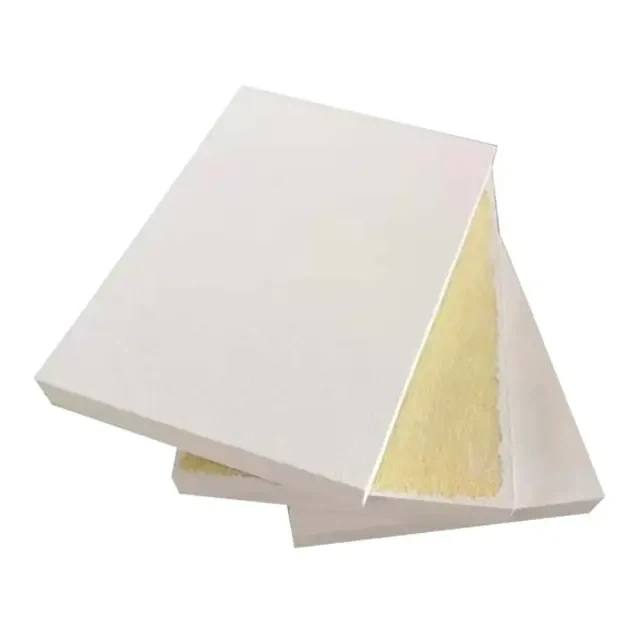
Fiberglass insulation is a widely used material for ceiling applications due to its numerous benefits. Whether you're insulating an attic, the space between floors, or a new construction, fiberglass offers outstanding performance.
Thermal Resistance and Affordability
One of the main reasons fiberglass insulation is favored is its excellent thermal resistance, measured by the R-value. This value indicates the material’s ability to resist heat flow, and fiberglass provides superior insulation for ceilings. It is especially effective in areas where maintaining consistent temperatures is crucial, such as in homes and commercial buildings. Compared to other insulation materials, fiberglass is relatively affordable, making it an economical choice for both large-scale and residential projects.
Ease of Installation
Fiberglass insulation is lightweight and easy to handle, making it an ideal material for both DIY enthusiasts and professionals. Unlike heavier insulation types like mineral wool, fiberglass can be installed quickly and efficiently, without the need for specialized equipment. Its flexibility and ease of installation are some of the primary reasons it is so popular for ceiling insulation projects.
Versatility
Fiberglass insulation is suitable for a wide variety of applications. Whether you're installing it in an attic, between floors, or as part of a retrofit project, fiberglass is versatile enough to handle various ceiling types and layouts. It’s available in multiple forms, including batts and loose-fill, which can be chosen based on the specific needs of the space being insulated.
Pre-Installation Preparations and Safety Precautions
Before diving into the installation process, there are several important steps to prepare the space and ensure safety.
Determine the Required R-Value for Your Ceiling
The R-value of insulation depends on several factors, including the climate in your area and the depth of your ceiling joists. In colder climates, higher R-values are needed to prevent heat loss, while in warmer climates, lower R-values may suffice. Be sure to check local building codes for the recommended R-value for ceiling insulation and calculate the necessary insulation depth accordingly.
Gather Tools and PPE
Installing fiberglass insulation requires specific tools, such as a utility knife, measuring tape, staple gun (for batts), and gloves. Most importantly, ensure you have the proper personal protective equipment (PPE) to protect yourself from skin irritation and respiratory issues. Fiberglass can irritate the skin and lungs, so wearing gloves, long sleeves, a dust mask or respirator, and safety glasses is crucial.
Inspect the Ceiling Framing
Before installing insulation, inspect the ceiling framing for any issues. Check the spacing of the ceiling joists and ensure the structure is sound. Look for any existing moisture problems, such as leaks, that could affect the insulation’s performance over time. Proper framing ensures that the insulation fits properly and performs as expected.
Step-by-Step Installation of Fiberglass Ceiling Insulation
Now that the preparations are in place, let's walk through the process of installing fiberglass ceiling insulation.
Step 1: Measure and Cut Batts to Fit Between Joists
Begin by measuring the space between the ceiling joists to determine the correct size for the fiberglass batts. Be sure to account for any obstacles like pipes, wires, or fixtures that may interfere with the installation. Cut the fiberglass batts to fit snugly between the joists, ensuring no gaps are left. If you are using loose-fill insulation, skip this step and move to the next.
Step 2: Fit Batts Snugly Into Joist Bays
Place the cut batts into the joist bays, ensuring that they fit snugly. The key is not to compress the fiberglass insulation, as doing so will reduce its R-value and efficiency. Gently push the batts into place, filling the entire space between the joists without squeezing or forcing them in. This ensures that the insulation will perform at its best.
Step 3: Install Loose-Fill Insulation (If Applicable)
If you’re using loose-fill fiberglass insulation, distribute it evenly across the ceiling space. Ensure the insulation covers the entire area, and there are no voids or gaps. Use a blower if needed to settle the insulation into place, especially in larger areas like attics. Loose-fill insulation is ideal for hard-to-reach areas or for filling spaces between ceiling joists.
Step 4: Add a Vapor Barrier
In colder climates, or in areas with high humidity, adding a vapor barrier is essential. The vapor barrier helps prevent moisture from accumulating in the insulation, which can reduce its performance and lead to mold growth. A vapor barrier is typically added on top of the insulation to protect it from moisture. Check local building codes to see if this step is required for your project.
Step 5: Reinstall Ceiling Drywall or Finish Material
Once the insulation is in place, carefully reinstall the ceiling drywall or any other finish material. Be sure not to compress or displace the insulation during this process. The ceiling should be properly sealed to prevent air leakage, which could reduce the insulation’s effectiveness.
Common Mistakes and How to Avoid Them
While installing fiberglass ceiling insulation is relatively straightforward, there are a few common mistakes that can undermine its performance. Let’s look at these mistakes and how to avoid them.
Mistake 1: Compressing the Insulation
One of the most common mistakes is compressing the fiberglass insulation during installation. This significantly reduces the material's R-value, meaning it won't insulate as effectively. Always ensure the batts fit snugly but are not compressed.
Mistake 2: Leaving Gaps or Voids
Another mistake is leaving gaps or voids between the insulation. These gaps allow heat or cold to leak through, diminishing the insulation’s effectiveness. Make sure the insulation covers the entire space, including the edges of the joist bays.
Mistake 3: Ignoring Moisture Control
Moisture control is crucial when installing insulation, particularly in areas prone to high humidity or condensation. Failing to add a vapor barrier or ignoring ventilation needs can result in moisture buildup, which reduces the insulation’s performance and can cause mold to grow. Always ensure proper moisture control is in place to preserve the insulation’s effectiveness.
Mistake 4: Poor Protection During Installation
Fiberglass insulation can irritate the skin and respiratory system, so it’s important to use appropriate PPE. Failing to wear gloves, safety glasses, or a respirator can result in irritation or injury. Additionally, mishandling the insulation, such as damaging it with staple guns or compressing it, can affect its performance.
Why Our Fiberglass Ceiling Insulation Products Stand Out
At Guangzhou Panda Commercial Development Co., Ltd., we offer high-quality fiberglass ceiling insulation that is designed for optimal performance and durability. Our products are manufactured with consistent density and R-value, ensuring reliable thermal resistance and efficiency.
Pre-Cut and Customizable Sizes
Our fiberglass insulation is available in pre-cut sizes that fit standard joist spacings, reducing waste and installation time. For unique projects, we also offer customizable sizes to meet specific needs.
Compliance with Building Codes
Our fiberglass ceiling insulation meets the highest standards for insulation and fire safety, ensuring that your project complies with local building codes. This guarantees that you can achieve maximum efficiency without compromising safety.
Customer Support and Guidance
We provide comprehensive support to help customers select the right insulation products for their needs. From offering installation best practices to advising on vapor barrier and ventilation requirements, we ensure that our clients are equipped with the knowledge to make the most of their insulation.
Conclusion
Proper installation is essential to maximizing the benefits of fiberglass ceiling insulation. By following the correct steps and using high-quality insulation products, you can ensure that your ceiling performs efficiently, reducing energy costs and improving comfort. With fiberglass ceiling insulation from Guangzhou Panda Commercial Development Co., Ltd., you can enjoy reliable thermal performance, easy installation, and long-term savings.
If you're looking to improve your building’s energy efficiency and comfort, don't hesitate to contact us for more information on our fiberglass ceiling insulation products or to receive expert installation support.
FAQs
What are the benefits of fiberglass insulation for ceilings?
Fiberglass insulation offers excellent thermal resistance, is cost-effective, easy to install, and is suitable for a variety of ceiling applications.
Can I install fiberglass insulation myself?
Yes, fiberglass insulation is ideal for DIY installation. Just ensure you have the proper tools, safety equipment, and follow the correct installation steps.
Do I need a vapor barrier for fiberglass ceiling insulation?
In colder climates or areas with high humidity, a vapor barrier is recommended to prevent moisture buildup and maintain the insulation's performance.
How long will fiberglass ceiling insulation last?
With proper installation and maintenance, fiberglass ceiling insulation can last for many years, providing long-term thermal efficiency and comfort.




