Mineral fiber ceilings are a popular choice for commercial and office spaces due to their excellent acoustic performance, cost-effectiveness, and easy maintenance. However, like any other ceiling system, mineral fiber ceilings require proper cleaning and care to ensure their longevity and maintain their aesthetic appeal. In this article, we will provide a detailed guide on how to clean mineral fiber ceilings effectively, extend their service life, and maintain their visual and acoustic quality.
What Is a Mineral Fiber Ceiling and Why Maintenance Matters?
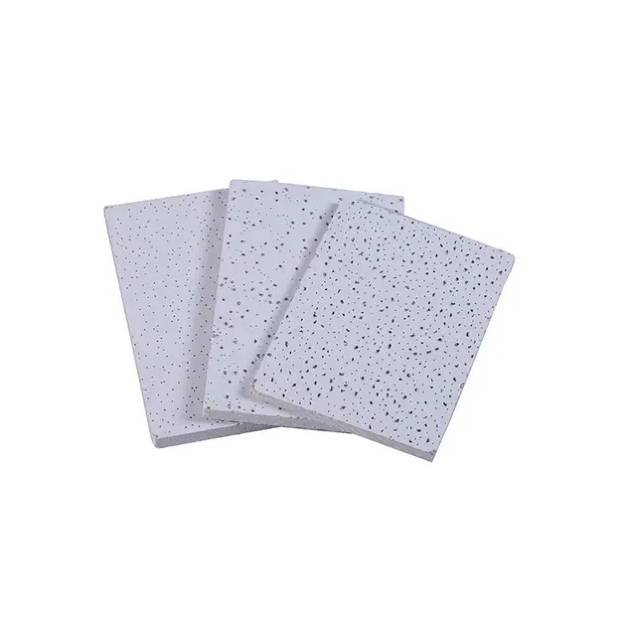
A mineral fiber ceiling is a type of ceiling system commonly used in commercial and industrial spaces for its sound absorption and cost-effective benefits. These ceilings are made from a combination of minerals, fibers, and binders that are compressed into tiles or panels. Mineral fiber ceilings are typically installed in a suspended grid system, which allows for easy replacement and maintenance.
Composition and Uses
Mineral fiber ceilings are made from materials like glass wool, basalt, or mineral-based materials. These ceilings are particularly valued in areas where noise reduction is essential, such as in offices, schools, hospitals, and other public spaces. Additionally, they are known for their fire resistance, durability, and the ability to improve indoor air quality by filtering out particulates.
Benefits of Mineral Fiber Ceilings
Sound Absorption: Mineral fiber ceilings are highly effective at absorbing sound, which makes them ideal for creating quieter environments in open spaces like offices and conference rooms.
Cost-Effective: Compared to other ceiling types, mineral fiber ceilings are relatively inexpensive to install and maintain, making them a popular choice for large commercial projects.
Fire Resistance: These ceilings provide fire-resistant properties, helping to improve the overall safety of the building.
Ease of Installation and Replacement: Mineral fiber tiles are lightweight and easy to install. They can also be quickly replaced if damaged, reducing maintenance downtime.
Why Cleaning Matters
Over time, dust, dirt, stains, and even water marks can accumulate on mineral fiber ceilings. This accumulation not only affects the aesthetic appearance but can also impact the acoustic performance and the fire resistance of the tiles. Regular cleaning helps to maintain the ceiling’s appearance and performance, preventing issues like discoloration, mold growth, and sagging.
Common Contaminants and Damage Risks for Mineral Fiber Ceilings
Mineral fiber ceilings are generally easy to maintain, but certain environmental factors can lead to problems if not addressed. Let’s look at some of the most common contaminants and damage risks:
Dust and Airborne Particulates
Dust and other airborne particles naturally settle on mineral fiber ceilings over time. This can dull the surface and make the tiles look dirty, even if they aren’t physically damaged. Dust accumulation can also clog the pores of the material, reducing its acoustic properties and performance.
Stains and Water Marks
Water stains are a common issue in mineral fiber ceilings and are often caused by leaks, condensation, or high humidity. Over time, these stains can lead to permanent discoloration, which detracts from the ceiling’s overall appearance. If left untreated, water infiltration can also weaken the tiles, leading to sagging or deformation.
Mold and Mildew Risk
In environments with high humidity or moisture, such as bathrooms or kitchens, mineral fiber tiles may become prone to mold and mildew growth. If water infiltrates the ceiling and doesn’t dry properly, mold can begin to form, which not only damages the ceiling but can also pose health risks.
Tile Sagging or Deformation
Excessive moisture absorption, the weight of accumulated dust, or mishandling during installation can cause mineral fiber ceiling tiles to sag or warp. This can affect the ceiling’s appearance and may even compromise its structural integrity if left unchecked.
Step-by-Step Guide: How to Clean a Mineral Fiber Ceiling Safely
Cleaning mineral fiber ceilings requires care and attention to ensure the tiles are not damaged. Here is a step-by-step guide to help you clean your ceiling effectively:
Preliminary Checks
Before you begin cleaning, it’s essential to inspect your mineral fiber ceiling for any signs of damage. Look for sagging tiles, water stains, or cracks that may indicate a need for replacement. If any tiles are severely damaged, replace them before proceeding with cleaning.
Dust Removal
The first step in cleaning a mineral fiber ceiling is to remove surface dust. Use a soft-bristle broom or a vacuum cleaner with a brush attachment to gently remove dust from the ceiling tiles. Be careful not to apply too much pressure, as this could damage the tiles. Regular dusting prevents buildup and helps to maintain the ceiling’s aesthetic and acoustic performance.
Spot Cleaning Stains
If there are stains on the ceiling, use a damp cloth or sponge with mild detergent to gently clean the affected areas. Avoid saturating the tile, as mineral fiber is porous and can absorb moisture, which may lead to further damage. Make sure to use a mild detergent to avoid damaging the finish. Do not use harsh chemicals, as these can cause discoloration or degradation of the ceiling material.
Dealing with Water Stains or Discoloration
If you notice persistent water stains or discoloration after spot cleaning, it may be time to replace the affected tiles. Over-cleaning or scrubbing can cause further damage to mineral fiber tiles, especially if the stain is deep. In such cases, consider replacing the damaged tiles to maintain the overall integrity of the ceiling.
Post-Cleaning Ventilation and Moisture Control
After cleaning, ensure that the room is well-ventilated so that the ceiling tiles can dry completely. Proper ventilation helps to prevent moisture buildup, which could lead to mold growth or further damage. It’s also important to address any sources of moisture in the room, such as leaks or high humidity, to prevent future damage to the ceiling.
When Cleaning Is Not Enough: Tile Replacement and Inspection
While cleaning can help maintain the appearance and performance of mineral fiber ceilings, sometimes cleaning is not enough. In certain situations, tile replacement or professional inspection may be necessary:
Recognizing When a Tile Should Be Replaced
If you notice that the tiles are sagging, deformed, or have significant staining or mold growth, it may be time to replace them. Also, if the ceiling tiles have lost their structural integrity or acoustic performance, replacement is the best option.
How to Select Replacement Tiles
When selecting replacement tiles for your mineral fiber ceiling, it is important to match the size and texture of the existing tiles. If you are replacing a damaged tile, choose a replacement that has similar acoustic properties and fire resistance to ensure the ceiling continues to perform optimally. Additionally, consider upgrading to higher-quality tiles if you want increased durability and performance.
Professional vs. DIY Maintenance
While cleaning and replacing tiles is often a DIY task, large commercial ceilings or high-rise offices may benefit from professional inspection and maintenance. A professional can inspect the grid integrity, check for adhesive issues, and ensure that all tiles are properly secured. For large installations, it’s best to seek professional help to avoid potential safety hazards and ensure the ceiling’s longevity.
Why Our Mineral Fiber Ceiling Products Are a Smart Long-Term Choice
At Guangzhou Panda Commercial Development Co., Ltd., we offer premium mineral fiber ceiling tiles that are designed to meet the needs of a variety of commercial and residential environments. Our tiles are manufactured under strict quality control to ensure they are durable, sag-resistant, and capable of absorbing sound effectively.
Our mineral fiber tiles are easy to install and replace, providing a cost-effective ceiling solution that can stand the test of time. With proper maintenance, our tiles continue to perform optimally, offering long-term value and aesthetic appeal. Whether you're working on a new construction project or upgrading an existing ceiling, our mineral fiber ceiling tiles provide the durability and acoustic properties you need.
Conclusion
Cleaning and maintaining mineral fiber ceilings is essential to preserve their appearance and performance. By following the proper cleaning steps, controlling moisture, and replacing damaged tiles when necessary, you can extend the life of your ceiling and ensure it remains functional and visually appealing.
At Guangzhou Panda Commercial Development Co., Ltd., we offer high-quality mineral fiber ceiling tiles that provide excellent sound absorption, fire resistance, and long-term durability. Contact us today for more information or to request a quote for our premium ceiling solutions.
FAQs
How often should I clean my mineral fiber ceiling?
It’s recommended to clean your mineral fiber ceiling at least twice a year to maintain its appearance and performance. Regular dusting is essential to prevent buildup.
Can I replace a damaged mineral fiber ceiling tile myself?
Yes, replacing a damaged tile is a simple process. Just ensure you choose a tile of the same size and acoustic rating.
How do I remove stains from a mineral fiber ceiling?
Use a damp cloth with mild detergent to gently clean stains. Avoid using harsh chemicals that may damage the ceiling material.
What should I do if my mineral fiber ceiling is sagging?
If your ceiling is sagging, check for moisture issues and replace the affected tiles. If necessary, consult a professional for further inspection and maintenance.




