Interior ceilings are often overlooked until problems begin to appear. Small cracks, stains, dents, or surface damage can make an otherwise well-designed room look aged or poorly maintained. In many cases, people assume the only solution is to remove the entire ceiling panel and replace it. However, in reality, a Gypsum Ceiling does not always require full replacement when damage occurs. Many common ceiling problems can be repaired or restored with targeted maintenance methods that preserve the existing structure.
From our experience working with interior construction materials, gypsum ceilings are widely used because they are lightweight, cost-effective, and versatile in design. They are common in residential homes, office buildings, hotels, shopping centers, and educational facilities. While gypsum boards are durable under normal conditions, they can still experience wear over time due to moisture exposure, minor structural movement, or accidental impact.
The good news is that many gypsum ceiling issues are surface-level problems rather than structural failures. With the right approach, it is often possible to repair damaged areas, restore appearance, and extend the service life of the ceiling without replacing entire panels. Understanding how to evaluate damage and choose the appropriate repair method can save time, reduce renovation costs, and minimize disruption in occupied buildings.
Understanding Common Gypsum Ceiling Damage
Before deciding on any repair method, it is important to understand the types of damage that typically occur in gypsum ceilings.
Surface Cracks
Small cracks are one of the most common issues found in gypsum ceilings. These cracks may develop due to building movement, temperature changes, or natural settling of the structure.
Hairline cracks often appear along joint lines where gypsum boards meet or around screw points where panels are attached to framing systems.
Water Stains
Water stains usually appear as yellow or brown marks on the ceiling surface. These stains often indicate previous moisture exposure from plumbing leaks, roof problems, or condensation.
While the stain itself may be cosmetic, it is important to confirm that the moisture source has been resolved before performing repairs.
Small Holes or Impact Damage
Accidental impacts from furniture movement, tools, or maintenance work may create dents or small holes in the ceiling surface.
Fortunately, localized damage of this type can often be repaired without replacing the entire gypsum board.
Sagging Areas
In some cases, sections of the ceiling may begin to sag slightly due to humidity, structural stress, or improper installation. Minor sagging may be stabilized with reinforcement rather than complete replacement.
When Full Replacement Is Not Necessary
Many building owners assume that damaged gypsum boards must be removed entirely once visible problems appear. However, in practice, full replacement is usually only necessary when the ceiling structure has suffered severe damage, such as extensive water saturation, structural collapse, or widespread material deterioration. In many situations, the damage is limited to the surface of the board rather than the structural core. When the underlying frame and the gypsum panel remain stable, targeted repair solutions can restore both the appearance and function of the ceiling without the need for complete replacement.
Cosmetic Damage Can Often Be Repaired
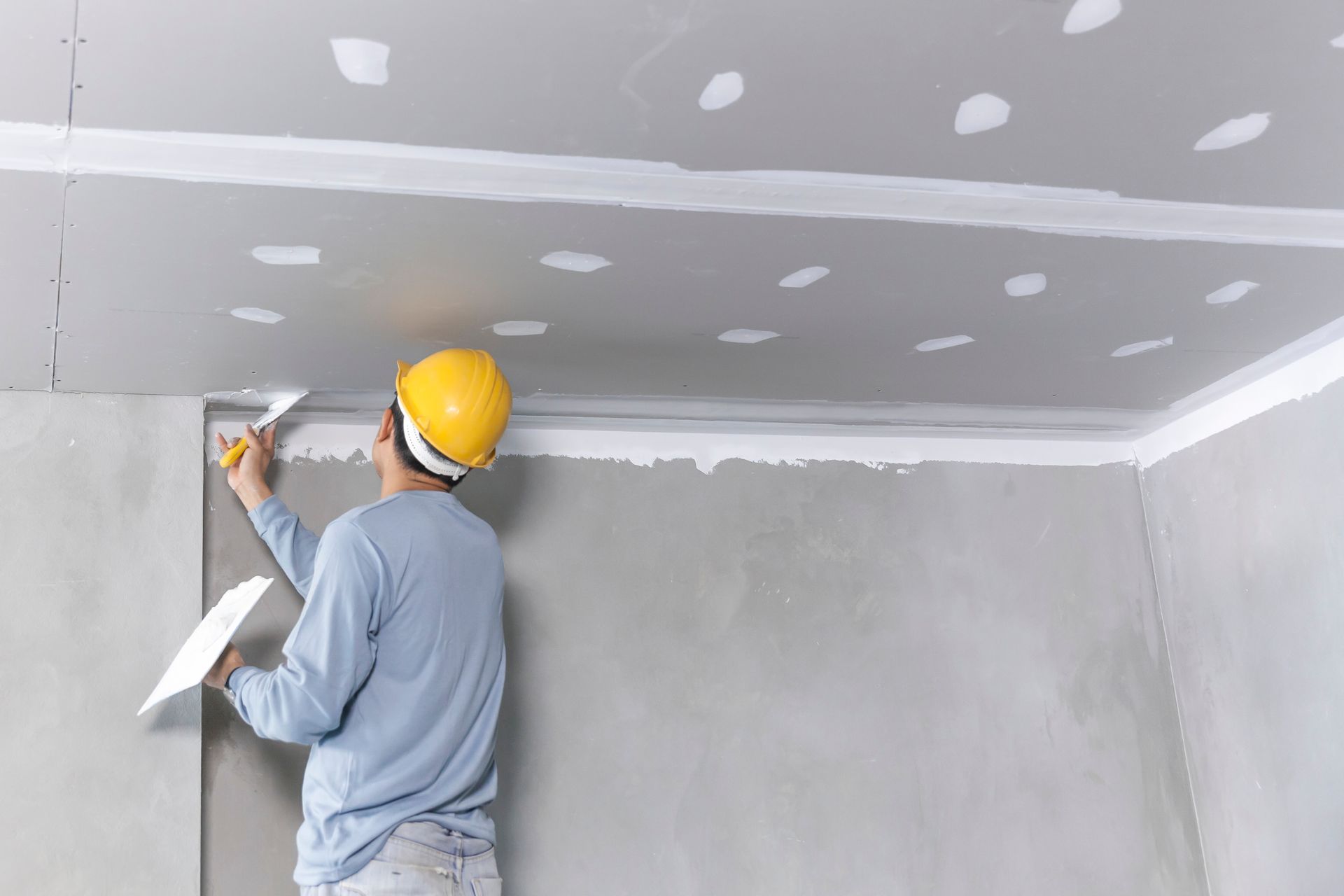
Cracks, dents, and stains typically affect only the outer finishing layer of the gypsum board. These types of issues are common in buildings that experience natural structural movement or daily wear. Hairline cracks along joints, small dents caused by accidental impact, or discoloration from previous moisture exposure can often be repaired using joint compounds, patching materials, or surface refinishing techniques. After the damaged area is filled, sanded, and repainted, the repaired section blends smoothly with the surrounding ceiling surface. This approach restores the visual appearance of the ceiling while preserving the original installation.
Localized Repairs Reduce Renovation Costs
Replacing entire ceiling boards usually involves more complex renovation work. Fixtures such as lighting, ventilation outlets, or sprinklers may need to be removed, and surrounding panels might also be disturbed during demolition. In contrast, localized repairs allow maintenance teams to focus only on the specific area that requires attention. By repairing the affected section instead of replacing large panels, building owners can reduce both labor time and material consumption. This method is particularly useful in large interior spaces where extensive ceiling removal would significantly increase renovation costs.
Occupied Spaces Benefit From Minimal Disruption
In offices, hotels, hospitals, and other commercial environments, renovation activities can interrupt daily operations. Full ceiling replacement may require closing certain areas of the building or relocating occupants temporarily. Targeted repairs offer a more practical solution in these situations. Because the work area is smaller and the repair process is faster, maintenance teams can complete the task with minimal disturbance. This allows building operations to continue normally while still improving the overall appearance and condition of the interior ceiling.
Effective Repair Methods for Gypsum Ceilings
Different repair techniques are used depending on the type and severity of the damage.
Filling Hairline Cracks
Hairline cracks can be repaired using joint compound or gypsum repair paste. The process typically involves cleaning the crack, applying compound, and smoothing the surface before repainting.
Once finished, the repaired area blends with the surrounding ceiling surface.
Repairing Small Holes
Small holes can be filled using patching compounds or reinforced repair mesh. After the patch is applied and dried, sanding and repainting restore the ceiling’s smooth appearance.
Treating Water Stains
Before repairing water stains, the source of moisture must be fixed. After the ceiling is fully dry, stain-blocking primer can be applied before repainting the area.
This prevents discoloration from reappearing.
Reinforcing Slightly Sagging Areas
If a ceiling section begins to sag slightly, additional screws or support brackets may help stabilize the panel.
In some cases, reinforcing the support structure can extend the lifespan of the existing ceiling installation.
Comparing Repair Options for Gypsum Ceilings
Ceiling Issue | Typical Cause | Repair Method | Replacement Needed |
Hairline cracks | Building movement | Joint compound filling | No |
Small holes | Impact damage | Patch repair | No |
Water stains | Moisture exposure | Drying and repainting | Usually no |
Minor sagging | Structural stress | Reinforcement | Sometimes |
Severe water damage | Long-term leaks | Panel replacement | Yes |
This comparison helps building managers determine when repairs are sufficient and when replacement may be necessary.
Preventing Future Damage to Gypsum Ceilings
Repairing a gypsum ceiling is only part of the process. Preventive maintenance helps reduce the likelihood of recurring issues.
Control Indoor Humidity
Excessive humidity can weaken gypsum boards over time. Proper ventilation and climate control help maintain ceiling stability.
Inspect Plumbing and Roof Systems
Many ceiling problems originate from hidden leaks. Routine inspection of plumbing systems and roof structures can prevent moisture damage.
Use Quality Installation Materials
High-quality gypsum boards and reliable installation components improve the durability of ceiling systems.
Schedule Regular Maintenance
Periodic inspections allow building managers to detect small cracks or stains early before they develop into larger problems.
Design Advantages of Gypsum Ceilings
Gypsum ceilings remain one of the most widely used ceiling solutions in modern construction due to their flexibility and performance.
Smooth and Decorative Finishes
Gypsum boards provide a smooth surface that can be painted, textured, or integrated into decorative ceiling designs.
Fire Resistance
Gypsum materials contain chemically bound water that provides natural fire resistance, making them suitable for many building environments.
Lightweight Construction
Gypsum ceilings are relatively lightweight compared with other ceiling materials, reducing structural load on building frameworks.
Versatile Installation Options
They can be installed in suspended systems, layered designs, or integrated with lighting and ventilation components.
Conclusion
A damaged ceiling does not automatically mean that the entire structure must be replaced. In many cases, a Gypsum Ceiling can be restored through targeted repair methods that address specific issues such as cracks, stains, or small holes. By evaluating the type of damage and applying appropriate repair techniques, building owners can extend the life of their ceilings while avoiding unnecessary renovation costs.
Gypsum ceilings continue to be a practical and versatile choice for modern interiors due to their durability, design flexibility, and ease of maintenance. When supported by quality materials and proper installation, these ceilings can remain functional and attractive for many years.
For construction professionals and building owners looking to maintain or upgrade interior ceiling systems, Guangzhou Panda Commercial Development Co., Ltd. provides a wide range of building materials designed to support modern interior construction. If you would like to learn more about gypsum ceiling materials and solutions, our team is ready to assist you with further information and product guidance.
FAQ
Can a gypsum ceiling be repaired without replacing the entire board?
Yes. Many common issues such as cracks, small holes, or stains can be repaired using patching compounds and surface treatments without replacing the whole panel.
What causes cracks in a gypsum ceiling?
Cracks may develop due to building movement, temperature changes, or natural structural settling over time.
How do you fix water stains on a gypsum ceiling?
First, the moisture source must be repaired. After the ceiling dries completely, stain-blocking primer and repainting can restore the appearance.
How long does a gypsum ceiling typically last?
With proper installation and maintenance, gypsum ceilings can remain functional and visually appealing for many years.




