Noise control has become an important consideration in modern building design. Whether in offices, hotels, schools, or residential spaces, people increasingly expect quiet and comfortable indoor environments. Many architects and contractors therefore look for construction materials that can contribute to better acoustic performance. One common question we often hear from project planners and clients is whether a Gypsum Ceiling can truly reduce noise. From our experience working with interior building materials and ceiling systems, the answer is yes—when designed correctly, gypsum ceilings can play a meaningful role in improving acoustic comfort. While they are not always a complete soundproofing solution by themselves, gypsum ceiling systems contribute to noise reduction by absorbing sound, limiting sound reflection, and helping isolate noise between rooms.
In this article, we explore how gypsum ceilings influence acoustics, why they are commonly used in modern buildings, and what factors determine their sound performance.
Understanding Noise Problems in Interior Spaces
Before discussing gypsum ceilings specifically, it helps to understand the types of noise issues common in buildings.
Sound Reflection
Hard surfaces such as concrete ceilings, glass walls, and tile floors tend to reflect sound waves. When sound repeatedly reflects off surfaces, it creates echo and reverberation, making spaces feel noisy even when the actual sound level is not very high.
Sound Transmission
Another common issue is sound traveling between rooms. For example, conversations from an office meeting room may be heard in adjacent areas if the building structure does not effectively block sound.
Mechanical Noise
Modern buildings contain HVAC systems, electrical installations, and plumbing lines above ceilings. These systems can generate mechanical noise that travels through the building structure.
Effective ceiling systems help address these challenges by controlling how sound behaves inside a room.
What Makes Gypsum Ceilings Useful for Acoustic Control
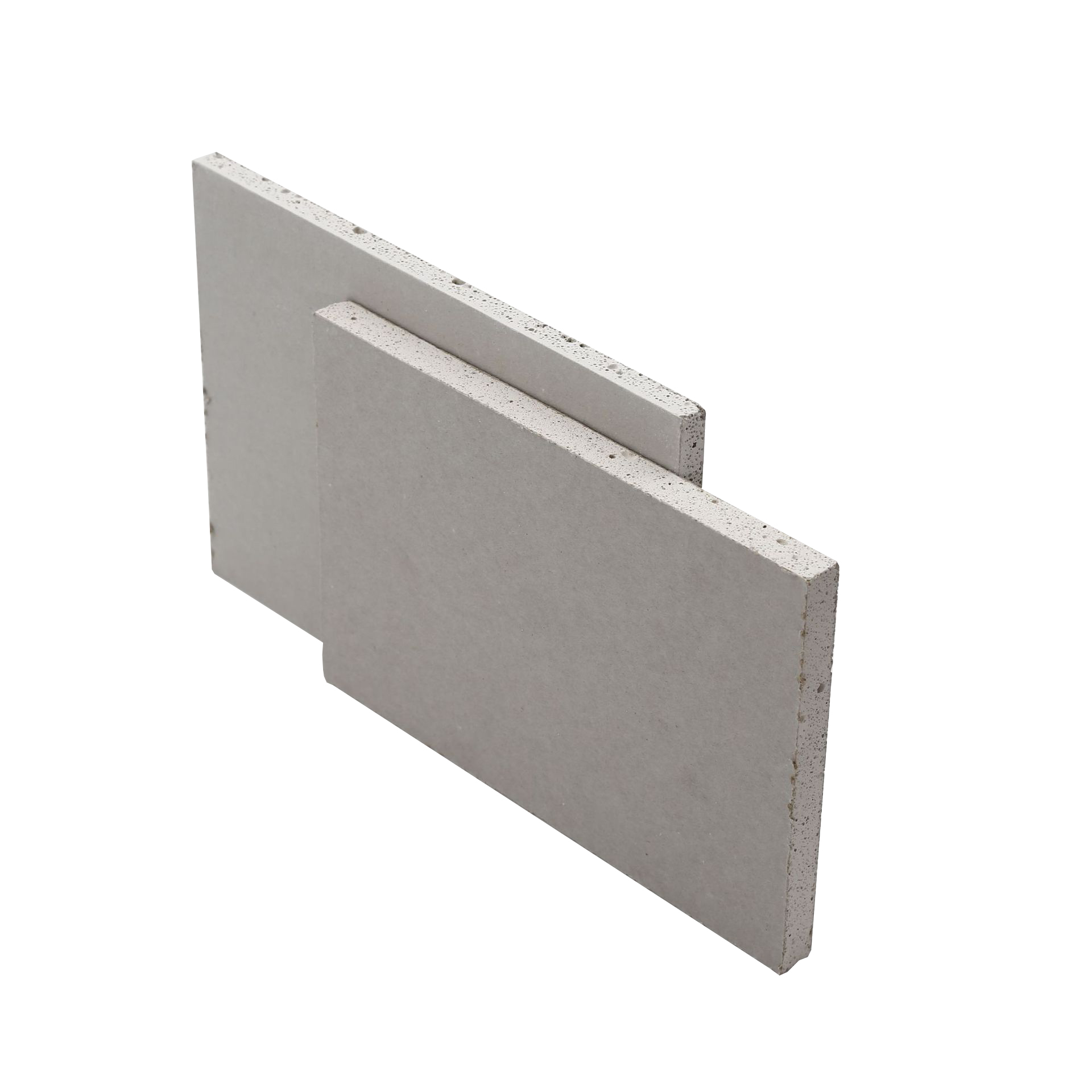
A Gypsum Ceiling is widely used in interior construction because it provides a smooth, durable surface while allowing designers to integrate lighting, ventilation, and acoustic solutions.
Several characteristics make gypsum ceilings helpful in reducing noise.
Material Density
Gypsum boards have moderate density, which helps reduce the transmission of sound waves through the ceiling structure. Dense materials tend to block sound more effectively than lightweight surfaces.
Layered Construction
Most gypsum ceiling systems are not just a single board attached to a frame. They usually consist of multiple components including metal framing, insulation material, and one or more gypsum boards.
This layered construction improves sound insulation by preventing sound waves from traveling directly through the structure.
Compatibility with Insulation Materials
One of the key advantages of gypsum ceilings is that they work well with acoustic insulation materials such as mineral wool or fiberglass. When insulation is placed above the gypsum board, the system can absorb sound energy and reduce noise transmission.
How Gypsum Ceilings Help Reduce Noise
While gypsum ceilings are not the same as specialized acoustic panels, they contribute to noise control in several ways.
Reducing Sound Reflection
Gypsum surfaces help reduce excessive sound reflection when combined with appropriate design techniques. For example, perforated gypsum boards or textured finishes can scatter sound waves rather than reflecting them directly.
This helps reduce echo in rooms such as conference halls, classrooms, and offices.
Blocking Sound Between Floors
In multi-story buildings, noise often travels between floors through structural elements. A gypsum ceiling system with insulation can help reduce the amount of sound passing from one level to another.
This is particularly valuable in residential apartments and hotels where privacy is important.
Absorbing Mechanical Noise
Placing insulation above gypsum ceilings helps absorb noise from mechanical equipment installed in the ceiling cavity. This reduces the audible impact of ventilation systems or piping.
Improving Overall Acoustic Comfort
Rather than eliminating all noise, gypsum ceiling systems aim to create balanced acoustic conditions. Spaces become quieter and more comfortable without sounding unnaturally silent.
Acoustic Performance Comparison
To better understand how gypsum ceilings contribute to noise control, it is helpful to compare them with other common ceiling materials.
Ceiling Material | Noise Reduction Capability | Typical Application |
Gypsum Ceiling with Insulation | Moderate to High | Offices, homes, hotels |
Bare Concrete Ceiling | Very Low | Industrial or unfinished spaces |
Metal Ceiling Panels | Low to Moderate | Commercial areas |
Acoustic Mineral Fiber Panels | High | Conference rooms, theaters |
This comparison shows that gypsum ceilings can provide effective acoustic performance when combined with insulation and proper installation.
Design Factors That Affect Sound Performance
Not all gypsum ceilings perform the same. The acoustic performance depends heavily on design details.
Ceiling Structure
A suspended gypsum ceiling usually performs better acoustically than a directly attached board because the air cavity helps dampen sound waves.
Number of Gypsum Layers
Double-layer gypsum boards significantly improve sound insulation compared with a single layer. Many commercial buildings use multi-layer systems to achieve higher acoustic ratings.
Insulation Material
The type and thickness of insulation placed above the ceiling play a major role in sound absorption. Mineral wool insulation is commonly used for this purpose.
Installation Quality
Even the best materials cannot perform well if installed incorrectly. Proper sealing of joints, secure framing, and consistent installation all contribute to effective sound control.
Where Gypsum Ceilings Are Commonly Used for Noise Control
Because of their flexibility and cost efficiency, gypsum ceilings are used in many building environments.
Offices
Open office layouts often suffer from noise distractions. Gypsum ceilings combined with acoustic insulation help reduce sound transfer between workspaces.
Residential Apartments
In residential buildings, ceiling systems help reduce noise between floors. This improves privacy and comfort for occupants.
Hotels
Hotels prioritize quiet guest rooms. Gypsum ceilings with sound insulation help prevent noise from hallways or neighboring rooms.
Educational Facilities
Classrooms and lecture halls benefit from improved acoustic clarity. Ceiling systems help control echo and improve speech intelligibility.
Healthcare Buildings
Hospitals require quiet environments for patient recovery. Acoustic ceiling systems contribute to a calmer atmosphere.
Advantages of Gypsum Ceilings Beyond Noise Reduction
While sound control is an important benefit, gypsum ceilings offer several additional advantages.
Smooth and Modern Appearance
Gypsum boards provide clean, smooth surfaces that fit modern interior designs.
Flexible Design Possibilities
They can be shaped into curves, layers, or decorative ceiling patterns.
Easy Integration of Lighting
Recessed lighting and ventilation systems can be easily installed within gypsum ceilings.
Fire Resistance
Many gypsum boards offer natural fire-resistant properties, making them suitable for commercial construction.
Cost Efficiency
Compared with many specialized ceiling systems, gypsum ceilings provide good performance at a reasonable cost.
Typical Gypsum Ceiling System Components
A standard gypsum ceiling system usually includes the following components.
Component | Function |
Gypsum Board | Main visible ceiling surface |
Metal Framing | Structural support for ceiling panels |
Suspension System | Connects ceiling to building structure |
Acoustic Insulation | Absorbs sound and reduces transmission |
Joint Treatment Materials | Ensures smooth surface and airtight sealing |
Together these components create a ceiling system that contributes to both aesthetics and acoustic comfort.
Our Experience Working With Gypsum Ceiling Systems
From our experience supplying interior construction materials to various projects, we have seen how well-designed gypsum ceilings improve building comfort. Architects and contractors often choose gypsum systems because they combine practical performance with design flexibility.
At Guangzhou Panda Commercial Development Co., Ltd., we work closely with construction professionals to provide gypsum ceiling solutions that meet the functional requirements of modern buildings. Whether the goal is acoustic improvement, aesthetic ceiling design, or integration with lighting systems, gypsum ceilings remain a reliable option.
The key is understanding that sound control comes from the complete ceiling system rather than the board alone. When gypsum panels, insulation materials, and structural design are carefully combined, the result is a balanced acoustic environment.
Conclusion
A Gypsum Ceiling can indeed contribute to noise reduction when used as part of a well-designed ceiling system. Through layered construction, compatibility with insulation materials, and structural flexibility, gypsum ceilings help reduce sound reflection, limit sound transmission between rooms, and improve overall acoustic comfort in buildings. While they are not designed to function as complete soundproof barriers on their own, they play an important role in modern interior construction.
From offices and hotels to residential buildings and educational spaces, gypsum ceiling systems continue to be widely used because they provide a combination of acoustic performance, design flexibility, and cost efficiency. At Guangzhou Panda Commercial Development Co., Ltd., we continue to support architects, contractors, and project developers by providing reliable gypsum ceiling solutions suited to diverse building environments. If you would like to learn more about gypsum ceiling materials or explore solutions for your project, our team would be glad to provide further information and professional support.
FAQ
1. Do gypsum ceilings really reduce noise?
Yes, gypsum ceilings can reduce noise when combined with insulation materials and proper installation. They help absorb sound and limit sound transmission between rooms.
2. Are gypsum ceilings good for soundproofing?
Gypsum ceilings contribute to sound insulation but are usually part of a larger acoustic system. Using double-layer boards and insulation significantly improves soundproofing performance.
3. Where are gypsum ceilings most effective for noise control?
Gypsum ceilings are commonly used in offices, hotels, apartments, schools, and healthcare facilities where acoustic comfort is important.
4. Can gypsum ceilings be combined with acoustic insulation?
Yes, gypsum ceilings are often installed with mineral wool or fiberglass insulation above the panels to improve sound absorption and reduce noise transmission.




