Mineral fiber ceiling systems have long been used in commercial buildings, schools, hospitals, and residential basements because they offer a balance of acoustic performance, affordability, and fire resistance. As more homeowners turn to suspended ceilings and retrofit projects, questions about the safety of mineral fiber ceiling tiles have become increasingly common. Safety concerns typically relate to indoor air quality, durability, chemical emissions, and overall suitability for sensitive environments. To help you make a fully informed decision, this article provides a thorough, evidence-based examination of the safety characteristics of mineral fiber ceiling products, how they compare with alternatives, and what factors determine whether they are the right choice for your space.
Contents
Introduction
Understanding What Mineral Fiber Ceiling Tiles Are
Are Mineral Fiber Ceiling Tiles Safe for Indoor Environments?
Key Health Considerations of Mineral Fiber Ceiling Products
Fire Safety and Building Code Compliance
Moisture, Mold, and Indoor Air Quality Performance
Comparing Mineral Fiber Ceilings With Alternative Ceiling Materials
How to Evaluate Safe Installation and Maintenance Practices
Conclusion
FAQ
Understanding What Mineral Fiber Ceiling Tiles Are
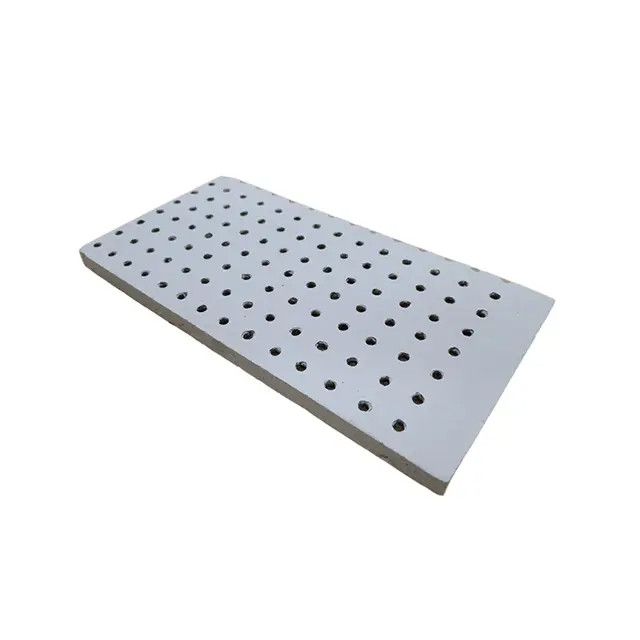
Mineral fiber ceiling tiles—sometimes called acoustic mineral fiber tiles—are produced from a composite of natural and processed materials. These typically include mineral wool, perlite, clay, cellulose fibers, and starch binders. Manufacturers engineer this mixture into porous, lightweight panels designed to enhance acoustical absorption while remaining cost-efficient. Unlike solid gypsum boards or plastic-based ceiling panels, mineral fiber ceiling tiles rely on their fibrous structure to manage sound transmission and reverberation.
Because these tiles incorporate both natural and man-made fibers, many safety assessments focus on how their composition interacts with indoor environments. Importantly, modern mineral fiber ceiling products do not contain asbestos; the industry removed asbestos from manufacturing decades ago. Today’s products adhere to strict emissions standards, performance certifications, and environmental guidelines. Understanding these updated material formulations is essential for accurately evaluating the safety of any mineral fiber ceiling installation, particularly in spaces with heavy occupancy or high-sensitivity requirements.
Are Mineral Fiber Ceiling Tiles Safe for Indoor Environments?
Most contemporary mineral fiber ceiling systems are considered safe for use in commercial and residential buildings when installed and maintained correctly. These products typically meet third-party standards such as UL, Greenguard, ISO, and LEED guidelines, which focus on fire resistance, low chemical emissions, and overall environmental health. As a result, many schools, hospitals, corporate offices, and laboratories continue to rely on mineral fiber ceilings for both acoustic control and compliance with strict indoor air quality criteria.
Safety evaluations usually focus on emissions from organic binders and surface coatings. Reputable manufacturers design mineral fiber ceiling tiles to release minimal volatile organic compounds (VOCs), often performing far better than wood composite and polymer-based ceiling materials. Additionally, these tiles are non-combustible, meaning they do not ignite or support flame spread, which is especially important in buildings with fire-safety-driven codes. When selecting a mineral fiber ceiling product for your space, the key is to verify certification labels, installation guidelines, and performance data rather than relying on outdated assumptions or misconceptions.
Key Health Considerations of Mineral Fiber Ceiling Products
Concerns about mineral fiber ceiling tiles often relate to potential irritation from loose fibers, dust release during installation, and long-term exposure to particulate matter. However, modern manufacturing techniques compress the fibers securely within the tile matrix, significantly minimizing the possibility of release under normal use. Any dust generated during cutting or handling is typically non-toxic and comparable to the dust produced by gypsum board or insulation materials. Wearing basic protective equipment—such as masks and goggles—during installation is generally adequate for preventing discomfort.
Another important health aspect is the extremely low VOC profile of mineral fiber ceilings. Many products today are Greenguard Gold certified, meaning they meet stringent standards designed for environments like classrooms and healthcare facilities. Low emissions reduce the risk of headaches, respiratory irritation, or chemical sensitivity reactions, particularly for individuals who spend long hours in enclosed spaces. By comparison, materials like PVC ceiling tiles or MDF panels may emit higher levels of formaldehyde or plasticizers depending on the manufacturer. The combination of stable fiber structure, minimal emissions, and third-party certification places mineral fiber ceiling products among the safer ceiling solutions available for most modern interiors.
Fire Safety and Building Code Compliance
One of the strongest safety advantages of mineral fiber ceiling systems is their superior fire performance. Mineral fibers are inherently non-combustible and capable of withstanding high temperatures without releasing toxic fumes. Many ceiling tiles undergo additional fire-resistant treatments or incorporate formulations optimized for fire-rated assemblies, allowing them to meet or exceed international standards such as ASTM E84, EN 13501, and UL Fire Resistance Directory classifications.
Fire-rated mineral fiber ceiling assemblies frequently serve a critical role in commercial buildings where codes require ceilings to help protect structural components, electrical systems, or mechanical ducts. In multi-story buildings, they help slow fire spread and maintain escape routes for longer periods. Unlike vinyl tiles that may warp or melt under heat, or wood materials that burn readily, mineral fiber ceilings offer consistent, predictable performance during fire events. Choosing ceiling tiles with clear fire classification labels ensures alignment with regional building codes and provides peace of mind for both owners and occupants.
Moisture, Mold, and Indoor Air Quality Performance
Maintaining indoor air quality involves minimizing moisture accumulation, preventing mold growth, and ensuring surfaces do not harbor contaminants. Mineral fiber ceiling systems vary in their moisture tolerance depending on density, binder type, and surface coatings. Many modern mineral fiber tiles offer high humidity resistance, sometimes rated up to 95% RH, making them suitable for offices, classrooms, and retail spaces. However, in constantly damp environments such as indoor pools or industrial wash areas, a different ceiling material—like PVC or metal—may provide more durable long-term performance.
Despite this variation, mineral fiber tiles generally perform well in typical conditioned environments and do not inherently promote mold growth when kept dry. Some tiles include antimicrobial coatings that further reduce microbial activity on the surface. Proper ventilation, routine inspection, and quick response to leaks are essential practices to prevent moisture intrusion. By balancing humidity control with material selection, building managers can maintain a stable indoor environment that supports good air quality while preserving the integrity of mineral fiber ceilings.
Comparing Mineral Fiber Ceilings With Alternative Ceiling Materials
Different ceiling systems offer unique safety profiles, and comparing mineral fiber ceiling tiles with alternatives can help clarify their strengths. Below is a comparison table that highlights key differences in safety and performance characteristics:
Table 1: Safety and Environmental Comparison
| Ceiling Material | Fire Safety | VOC Emissions | Moisture Resistance | Fiber/Dust Concerns |
| Mineral Fiber Ceiling | Excellent | Very Low | Moderate to High | Minimal when handled properly |
| PVC/Vinyl Ceiling | Poor to Moderate | Moderate to High | Excellent | None |
| Gypsum Board | Excellent | Very Low | Low to Moderate | Minimal |
| Metal Ceiling Panels | Excellent | Very Low | Excellent | None |
Mineral fiber ceiling products provide one of the best combinations of fire resistance and acoustical performance. PVC offers moisture durability but often falls short on emissions and fire safety. Metal systems excel in durability but provide limited sound absorption without additional insulation. Gypsum ceilings work well in many applications but lack the acoustic efficiency and modularity of mineral fiber systems.
Table 2: Acoustic and Installation Comparison
| Ceiling Material | Acoustic Absorption | Ease of Installation | Cost | Best Use Case |
| Mineral Fiber | High | Easy | Low to Medium | Offices, schools, basements |
| PVC | Low | Easy | Low | Moist environments |
| Metal | Low | Medium | Medium to High | Commercial lobbies, industrial areas |
| Gypsum | Medium | Moderate | Low | Residential ceilings |
This comparison shows why mineral fiber ceiling tiles remain popular for large spaces requiring safety, sound control, and cost efficiency.
How to Evaluate Safe Installation and Maintenance Practices
Even the safest material requires proper installation and maintenance to achieve its full safety potential. For mineral fiber ceiling systems, installers should wear simple protective gear—gloves, dust masks, goggles—when cutting or handling tiles. Ensuring the workspace has adequate ventilation reduces airborne dust during construction. Suspended grid systems should be installed according to manufacturer standards to maintain fire ratings and structural stability.
Once installed, mineral fiber tiles require minimal ongoing maintenance. Regular dusting or vacuuming preserves surface cleanliness, while periodic inspections help identify moisture problems early. If a tile becomes stained or saturated due to a leak, replacing it promptly prevents mold development and maintains uniform appearance. Many systems allow individual tile replacement without disturbing the rest of the ceiling, making maintenance cost-effective and non-disruptive. By following straightforward care guidelines, building owners can maximize the longevity and safety of their mineral fiber ceiling installations.
Conclusion
Mineral fiber ceiling tiles are widely regarded as safe, reliable, and high-performing components of modern building design. Their combination of low emissions, strong fire resistance, acoustic efficiency, and affordability makes them suitable for a wide range of environments—from classrooms and healthcare facilities to commercial offices and residential basements. When properly installed and maintained, mineral fiber ceilings contribute positively to indoor air quality and occupant safety. Understanding the material’s composition, health characteristics, and performance standards empowers you to make a confident, informed choice for your next building or renovation project.
FAQ
1. Do mineral fiber ceiling tiles contain asbestos?
No. Modern mineral fiber ceiling tiles do not contain asbestos. The industry phased out asbestos decades ago, and today’s products rely on safe mineral wool, cellulose fibers, and binders.
2. Can mineral fiber ceilings cause respiratory irritation?
Minimal irritation may occur during installation due to dust, but once installed, mineral fiber ceilings are stable and generally do not release particles. Using protective masks during installation is sufficient.
3. Are mineral fiber ceilings suitable for kitchens or bathrooms?
They are suitable for controlled-humidity environments, but continuous moisture may shorten their lifespan. For very wet areas, PVC or metal ceilings are often better choices.
4. Do mineral fiber ceilings improve sound absorption?
Yes. They are among the most effective ceiling materials for acoustic absorption, making them ideal for schools, offices, and noisy commercial spaces.
5. How long do mineral fiber ceiling tiles last?
With proper maintenance and moisture control, mineral fiber ceiling tiles can last decades. Individual tiles can be replaced easily if damaged.




